
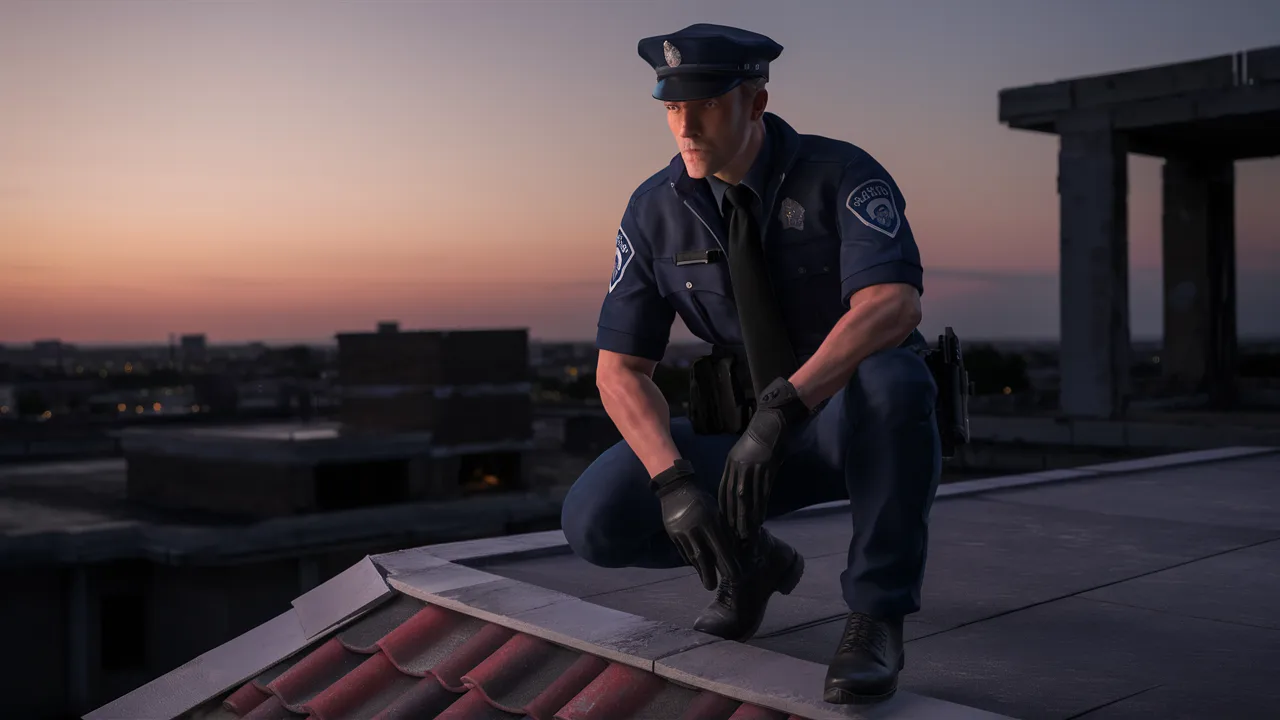
The term “Roofing Cop” has become increasingly popular in the construction and home improvement world, referring to the rigorous inspection, safety enforcement, and quality control standards required to maintain long-lasting, compliant, and structurally sound roofs. As homeowners, contractors, and property managers become more aware of roofing laws, building codes, and insurance requirements, the role of a Roofing Cop—whether an inspector, roofing professional, or compliance officer—has become essential. This comprehensive guide explores what a Roofing Cop does, how roofing inspections work, why compliance matters, and how homeowners can ensure their roofs meet all necessary standards. With long, detailed paragraphs and practical insights, this article serves as the ultimate resource for anyone seeking to understand roofing integrity and compliance from a professional perspective.
What Is a Roofing Cop? Understanding the Meaning and Role
A Roofing Cop refers to a roofing expert, inspector, or compliance specialist who ensures that roofs are built, repaired, and maintained according to the highest standards. They evaluate workmanship, check material quality, verify safety protocols, and confirm whether the roof meets local building codes. The term is also used to describe roofing consultants who enforce proper installation practices and provide detailed assessments for homeowners, insurance companies, and construction firms. Their work is essential in preventing costly structural failures, water damage, energy inefficiency, and long-term repair expenses.
Unlike general contractors, a Roofing Cop focuses exclusively on roofing systems and the technical details that influence durability, safety, and legal compliance. Their professional evaluations help identify hidden issues and ensure that every aspect of the roof—from shingles to flashing—is correctly installed.
Importance of Roofing Inspections: Why You Need a Roofing Cop
Roofing inspections are critical for maintaining a safe and functional home. A Roofing Cop plays a vital role in identifying problems that are often invisible to the untrained eye, such as underlying moisture damage, deteriorated roofing underlay, improper ventilation, misaligned shingles, or neglected flashing. These issues can escalate into major structural problems if ignored.
Homeowners often underestimate the importance of inspection until a major leak occurs. By conducting regular evaluations, a Roofing Cop ensures that your roof remains structurally sound while also protecting your investment. Roof inspections can also help maintain property value, reduce long-term maintenance costs, and ensure insurance compliance, especially after storms or natural disasters.
Key Responsibilities of a Roofing Cop
A professional Roofing Cop performs multiple essential tasks that keep your roof safe, compliant, and reliable. These include:
1. Structural Assessment
The inspector evaluates the entire roofing system, examining shingles, gutters, decking, vents, chimneys, and underlayment to ensure all components are secure and functioning properly.
2. Safety Compliance
Roofing work can be dangerous, and a Roofing Cop ensures that all safety protocols—such as harness use, ladder stability, and protective gear—are followed during repairs or installation.
3. Code Enforcement
Different regions have specific building codes regulating roofing materials, slope requirements, ventilation, fire resistance, and installation practices. A Roofing Cop ensures every detail aligns with legal standards.
4. Moisture and Leak Detection
Using specialized tools, inspectors identify moisture penetration, hidden leaks, and structural weaknesses that could lead to mold growth or internal damage.
5. Insurance Reporting
Insurance companies often require professional assessments before approving claims. A Roofing Cop can produce detailed reports documenting damage, repair needs, and compliance status.
6. Project Oversight
During construction or repair, the Roofing Cop ensures that contractors follow proper procedures, preventing substandard workmanship that might cause future problems.
Common Roofing Problems Identified by a Roofing Cop
Understanding frequent roofing issues can help homeowners recognize the need for professional inspection. Typical problems include:
Shingle Damage
Cracked, curling, missing, or improperly aligned shingles compromise the roof’s ability to shed water effectively.
Poor Flashing Installation
Flashing protects vulnerable areas such as chimneys and vents. When incorrectly installed, it becomes a major source of leaks.
Ventilation Issues
Blocked or insufficient ventilation can trap heat and moisture, reducing roof lifespan and causing attic problems.
Gutter Obstruction
Clogged gutters lead to water buildup, affecting roof edges and contributing to structural deterioration.
Roof Sagging
Sagging indicates structural weakness, often caused by water damage, excess weight, or faulty support beams.
Underlayment Deterioration
The underlayment provides a secondary barrier against moisture. If compromised, water can seep into the home’s interior.
Why Roof Compliance Matters: Legal and Financial Implications
A compliant roof not only protects your home but also shields you from costly legal and financial consequences. Building codes ensure roofs can withstand harsh weather conditions, maintain energy efficiency, and provide safe living conditions. When a roof is not compliant, homeowners may face fines, denied insurance claims, or expensive mandatory repairs.
Insurance companies typically require proof of compliance before approving claims for storm or wind damage. A Roofing Cop ensures your documentation is accurate, complete, and legally valid.
Moreover, when selling a property, a compliant roof increases value and boosts buyer confidence. Non-compliant roofs often become a negotiation point, leading to reduced selling prices or repair demands.
How to Choose a Professional Roofing Cop or Inspector
Selecting the right roofing specialist is essential for accurate evaluation. Homeowners should look for the following:
- Licensing and certifications
- Extensive roofing experience
- Strong reputation and positive reviews
- Insurance coverage for liability and accidents
- Transparent pricing and detailed reports
- Knowledge of local building codes
A professional Roofing Cop will offer comprehensive assessments, explain issues clearly, and provide honest recommendations without pressure tactics.
The Roofing Cop Checklist: What to Expect During an Inspection
During a roof inspection, the Roofing Cop typically examines:
- Shingle condition and installation quality
- Structural integrity of roof decking
- Flashing around chimneys, skylights, and vents
- Condition of gutters and downspouts
- Attic ventilation and insulation
- Signs of leaks or water penetration
- Storm or wind damage
- Moss, algae, or fungal growth
- Roof slope and drainage patterns
This thorough process ensures every detail is documented and addressed.
Conclusion
A Roofing Cop plays a crucial role in maintaining roofing safety, performance, and compliance. With their expertise in inspection, code enforcement, and structural evaluation, they ensure that roofs remain durable, secure, and legally compliant. Investing in regular roofing inspections not only saves homeowners from costly future issues but also enhances property value, protects insurance eligibility, and ensures peace of mind. Whether you own a home, manage a property, or oversee construction projects, understanding the significance of a Roofing Cop can make all the difference in long-term roofing health and reliability.
FAQ About Roofing Cop
1. What does a Roofing Cop do?
A Roofing Cop inspects, evaluates, and ensures roofing compliance by checking for structural issues, code violations, and potential safety hazards.
2. How often should I get my roof inspected?
Professionals recommend one inspection per year, plus additional evaluations after major storms.
3. Can a Roofing Cop help with insurance claims?
Yes, many inspectors provide detailed reports required by insurance companies for damage claims.
4. What are signs that I need a roofing inspection?
Leaks, missing shingles, sagging sections, water stains, and storm damage are major indicators.
5. Why is roofing compliance important?
Compliance ensures safety, legal protection, energy efficiency, and prevents future structural problems.
