
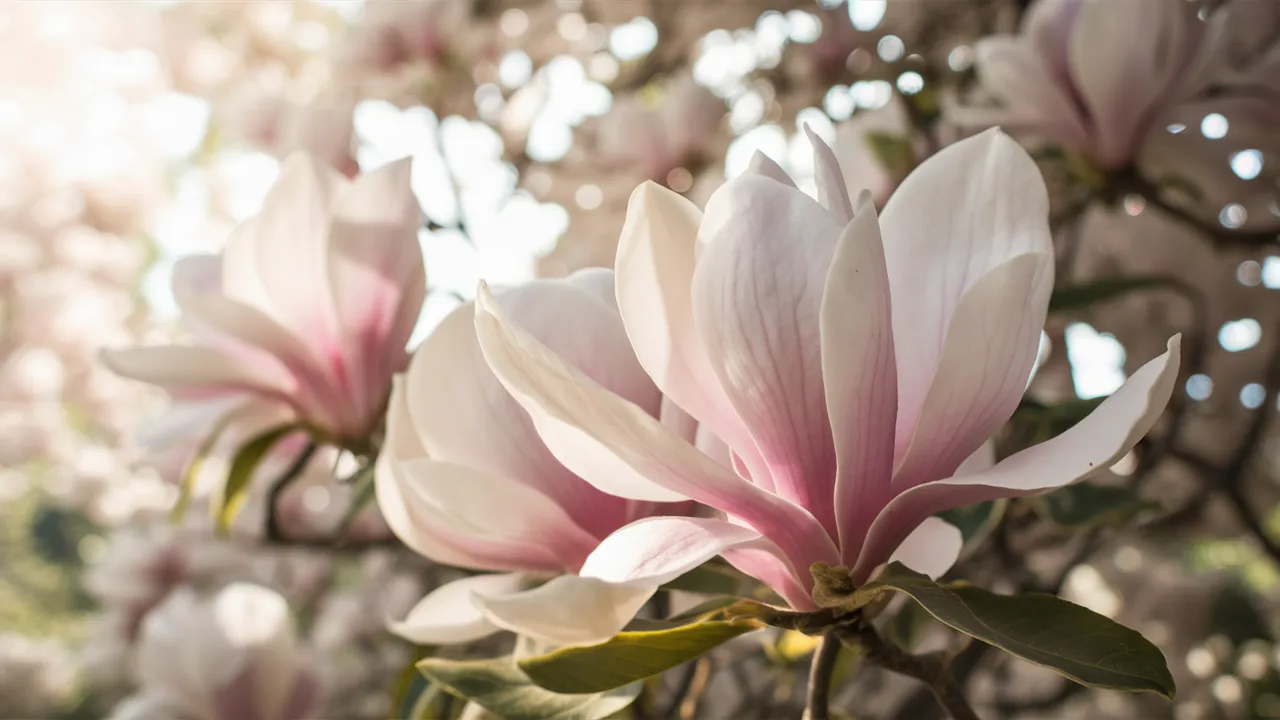
Magnolien, often admired for its timeless beauty and fragrant blossoms, stands as one of the most elegant and cherished flowering plants in gardens around the world. Known for its large, showy flowers and lush green foliage, magnolien adds a touch of sophistication and serenity to any landscape. We explore the origins, varieties, care techniques, and symbolic importance of magnolien, providing a deeply detailed and practical guide for anyone looking to cultivate or appreciate this remarkable plant. Whether you are a gardening enthusiast or a beginner, understanding magnolien will help you unlock its full potential and beauty.
What is Magnolien? Understanding Its Origins and Characteristics
Magnolien refers to a group of flowering plants belonging to the magnolia family, known for their ancient lineage and stunning floral displays. These plants are considered among the oldest flowering species, with a history that dates back millions of years. Their resilience and adaptability have allowed them to thrive in various climates and regions.
Magnolien plants are recognized for their distinctive blossoms, which often feature large petals in shades of white, pink, purple, or yellow. The flowers are not only visually striking but also emit a pleasant and calming fragrance that enhances outdoor spaces. In addition to their flowers, magnolien trees and shrubs are valued for their glossy leaves and structured growth patterns, making them ideal for both decorative and functional landscaping.
Popular Types of Magnolien Plants
1. Evergreen Magnolien
Evergreen varieties maintain their foliage year-round, providing consistent greenery. These types are ideal for creating privacy screens or enhancing garden aesthetics throughout the year.
2. Deciduous Magnolien
Deciduous magnolien plants shed their leaves seasonally but reward gardeners with spectacular blooms during spring. Their flowers often appear before the leaves, creating a dramatic visual effect.
3. Star Magnolien
Known for their star-shaped flowers, these varieties are compact and perfect for smaller gardens. They offer early blooms and delicate beauty.
4. Saucer Magnolien
Saucer magnolien is popular for its large, cup-shaped flowers in shades of pink and white, making it a focal point in any landscape.
How to Grow Magnolien Successfully
Growing magnolien requires attention to specific conditions to ensure healthy development and vibrant blooms. The plant thrives best when its natural preferences are carefully met.
Soil Requirements
Magnolien prefers well-drained, slightly acidic soil rich in organic matter. Proper soil preparation ensures strong root development and long-term growth.
Sunlight Needs
These plants flourish in full sun to partial shade, depending on the variety. Adequate sunlight promotes abundant flowering and healthy foliage.
Watering Guidelines
Consistent watering is essential, especially during the early stages of growth. Magnolien requires moist but not waterlogged soil to prevent root damage.
Planting Tips
When planting magnolien, it is important to choose a location with enough space for growth, as many varieties expand significantly over time. Proper spacing ensures optimal air circulation and reduces the risk of disease.
Magnolien Plant Care: Expert Tips for Long-Term Health
Maintaining the health of magnolien involves regular care and attention. By following proven techniques, gardeners can ensure their plants thrive year after year.
Pruning Techniques
Pruning should be done after the flowering season to maintain shape and remove dead or damaged branches. This encourages new growth and improves overall plant structure.
Fertilization
Using a balanced fertilizer during the growing season supports healthy development and enhances blooming potential.
Pest and Disease Management
Magnolien is generally resilient, but occasional pests or diseases may occur. Regular monitoring and preventive measures help maintain plant health.
Mulching
Applying mulch around the base of the plant helps retain moisture, regulate soil temperature, and reduce weed growth.
Symbolism and Cultural Significance of Magnolien
Magnolien holds deep symbolic meaning in various cultures. It is often associated with purity, dignity, and perseverance, reflecting its enduring beauty and strength. In many traditions, magnolien flowers are used to represent nobility and grace, making them a popular choice for special occasions and decorative arrangements.
The plant’s historical significance and timeless appeal have made it a symbol of natural elegance and harmony, admired by gardeners and nature lovers alike.
Benefits of Adding Magnolien to Your Garden
Aesthetic Appeal
Magnolien enhances the visual beauty of any garden with its striking flowers and lush foliage.
Fragrance
The pleasant scent of magnolien flowers creates a relaxing and inviting atmosphere.
Environmental Value
Magnolien supports local ecosystems by providing habitat and nourishment for pollinators such as bees and butterflies.
Low Maintenance
Once established, magnolien requires relatively minimal care, making it a practical choice for gardeners.
Why Magnolien is a Perfect Choice for Landscaping
Magnolien stands out as a versatile and impactful landscaping plant. Its ability to function as a shade tree, ornamental feature, or focal point makes it suitable for a wide range of designs. Whether used in residential gardens or larger landscapes, magnolien delivers both beauty and functionality.
Conclusion
Magnolien represents a perfect blend of beauty, resilience, and symbolic richness, making it a valuable addition to any garden or landscape. Its stunning flowers, ease of care, and cultural significance ensure its continued popularity among plant enthusiasts. By understanding its needs and characteristics, we can fully appreciate and cultivate magnolien, transforming outdoor spaces into vibrant and elegant environments. As interest in natural beauty and sustainable gardening grows, magnolien remains a timeless choice that offers lasting rewards.
Frequently Asked Questions (FAQ)
What is magnolien known for?
Magnolien is known for its large, fragrant flowers and elegant appearance, making it a popular ornamental plant.
How do you care for magnolien plants?
Proper care includes well-drained soil, adequate sunlight, consistent watering, and occasional pruning.
Can magnolien grow in small gardens?
Yes, smaller varieties like star magnolien are ideal for compact spaces.
When does magnolien bloom?
Most magnolien plants bloom in spring, though some varieties may flower at different times.
Is magnolien easy to maintain?
Yes, magnolien is considered low-maintenance once established, requiring only basic care.
