
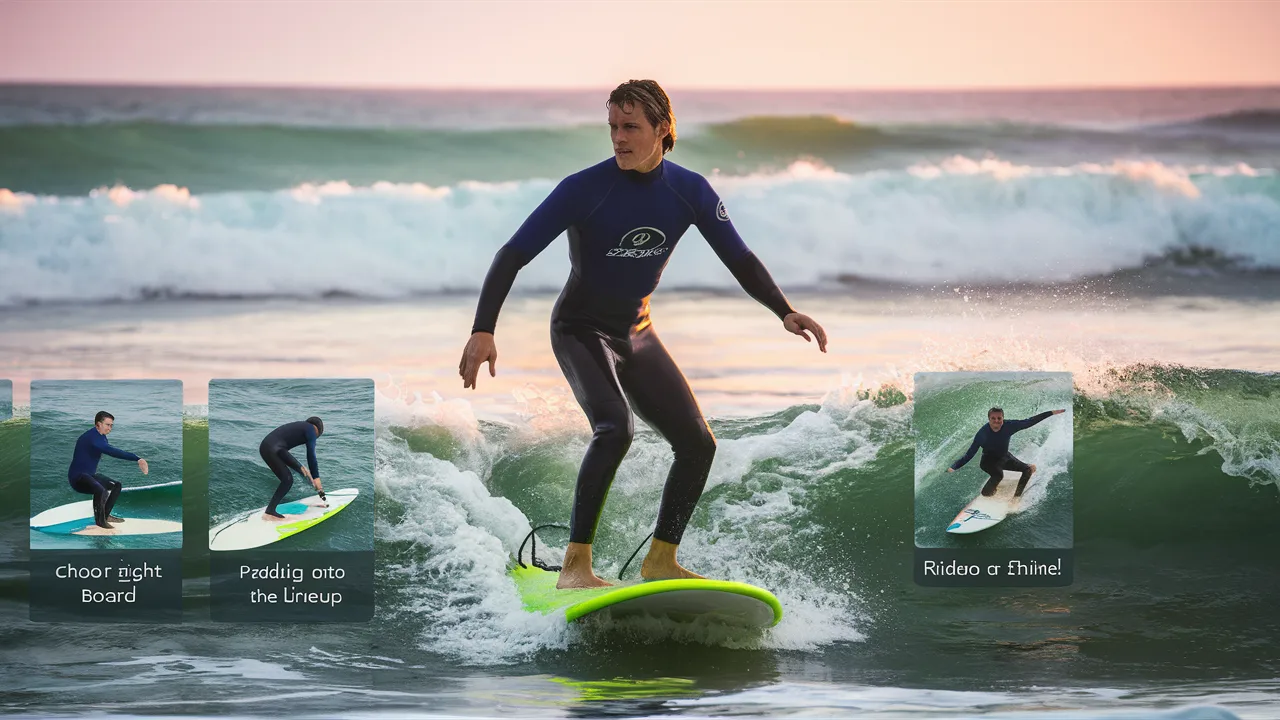
Learning how to surf is an exciting journey that combines balance, strength, and a deep connection with the ocean. Surfing is not just a sport—it is a lifestyle that challenges both the body and mind while offering an unmatched sense of freedom. Whether you are stepping onto a surfboard for the first time or aiming to refine your technique, understanding the fundamentals and practicing consistently will transform your experience. We present a comprehensive, detailed, and practical guide designed to help you master surfing step by step and build confidence in the water.
Understanding the Basics of Surfing
Before entering the water, it is essential to understand what surfing involves. At its core, surfing is the act of riding ocean waves using a surfboard, relying on timing, positioning, and balance. Waves are created by wind energy transferring to the water, and surfers harness this energy to glide across the surface. Learning to read waves and understanding how they break is a critical skill that separates beginners from experienced surfers.
Essential Surfing Equipment You Need
To begin your surfing journey, having the right equipment is crucial for both performance and safety.
-
Surfboard: Beginners should start with a longboard, as it provides better stability and easier wave catching.
-
Leash: This attaches your ankle to the board, preventing it from drifting away.
-
Wetsuit: Depending on water temperature, a wetsuit keeps you warm and comfortable.
-
Wax: Applied to the surfboard to improve grip and prevent slipping.
Choosing the right equipment ensures a smooth learning experience and faster progress.
How to Surf Step by Step
Step 1: Practice on Land
Before entering the ocean, practice the pop-up movement on land. This involves transitioning from lying flat to standing on the board in one quick motion. Repetition builds muscle memory and confidence.
Step 2: Choose the Right Surf Spot
Select a beginner-friendly beach with small, consistent waves and sandy bottoms. Avoid crowded or rocky areas to reduce risk.
Step 3: Paddle Out Correctly
Lie on your board and use your arms to paddle into the water. Keep your body centered to maintain balance and reduce drag.
Step 4: Position Yourself for the Wave
Timing is everything. Watch the waves and position yourself where they begin to break. Turn your board toward the shore and prepare to paddle.
Step 5: Catch the Wave
As the wave approaches, paddle with strong, steady strokes. When you feel the wave lifting you, it is time to pop up.
Step 6: Pop Up and Stand
Quickly push yourself up into a standing position, placing your feet firmly on the board. Keep your knees slightly bent and your eyes forward.
Step 7: Maintain Balance and Ride
Balance is key. Shift your weight slightly to steer and maintain control. Relax your body and let the wave carry you.
Common Mistakes Beginners Should Avoid
When learning how to surf, beginners often face similar challenges. Avoiding these mistakes accelerates progress:
-
Standing up too slowly or hesitating
-
Looking down instead of forward
-
Choosing waves that are too large
-
Poor paddling technique
-
Incorrect foot positioning
Correcting these habits early ensures a strong foundation for future improvement.
Surfing Safety Tips You Must Follow
Safety is a critical aspect of surfing that should never be overlooked. The ocean is powerful and unpredictable, so preparation is essential.
-
Always check weather and wave conditions before entering the water
-
Never surf alone, especially as a beginner
-
Respect other surfers and follow surf etiquette
-
Be aware of rip currents and learn how to escape them
-
Use proper equipment to minimize risk
By prioritizing safety, we ensure a secure and enjoyable surfing experience.
How to Improve Your Surfing Skills Faster
Progress in surfing comes with consistent practice and mindful improvement. To accelerate learning:
-
Practice the pop-up daily on land
-
Strengthen your core and upper body
-
Study wave patterns and ocean behavior
-
Watch experienced surfers and learn from their techniques
-
Stay patient and persistent
Improvement is gradual, but dedication leads to confidence and mastery over time.
Understanding Surf Etiquette
Surf etiquette ensures harmony and safety in the water. Following these unwritten rules is essential:
-
The surfer closest to the wave peak has priority
-
Do not drop in on another surfer’s wave
-
Communicate clearly to avoid collisions
-
Respect local surfers and their environment
Good etiquette builds respect and creates a positive surfing community.
Benefits of Learning How to Surf
Surfing offers numerous physical and mental benefits:
-
Improves balance and coordination
-
Builds strength and endurance
-
Reduces stress and enhances mental clarity
-
Connects you with nature
-
Boosts confidence and resilience
These benefits make surfing not just a sport, but a transformative lifestyle experience.
Conclusion
Mastering how to surf requires patience, practice, and a willingness to embrace the challenges of the ocean. By understanding the fundamentals, using the right equipment, and following a structured learning approach, we can confidently progress from beginners to skilled surfers. Every wave presents a new opportunity to improve, and with dedication, surfing becomes a rewarding and exhilarating part of life. The journey may begin with small steps, but it leads to unforgettable experiences on the water.
Frequently Asked Questions (FAQ)
How long does it take to learn how to surf?
Most beginners can start catching waves within a few days, but mastering surfing takes consistent practice.
Is surfing difficult for beginners?
Surfing can be challenging at first, but with proper guidance and persistence, it becomes easier over time.
What is the best surfboard for beginners?
A longboard is ideal due to its stability and ease of use.
Do I need to be physically fit to surf?
Basic fitness helps, but surfing itself improves strength and endurance as you practice.
Can I teach myself how to surf?
Yes, but taking lessons or learning from experienced surfers can significantly speed up progress.
