
Language evolves continuously, and slang terms often reveal fascinating insights into culture, humor, identity, and communication. Among the many slang expressions that have become recognizable throughout the English-speaking world, the word “wanker” stands out as one of the most widely recognized examples of British informal language. Over time, the term has moved beyond its original meaning and become a common expression used in conversations, entertainment, sports culture, internet discussions, and popular media.
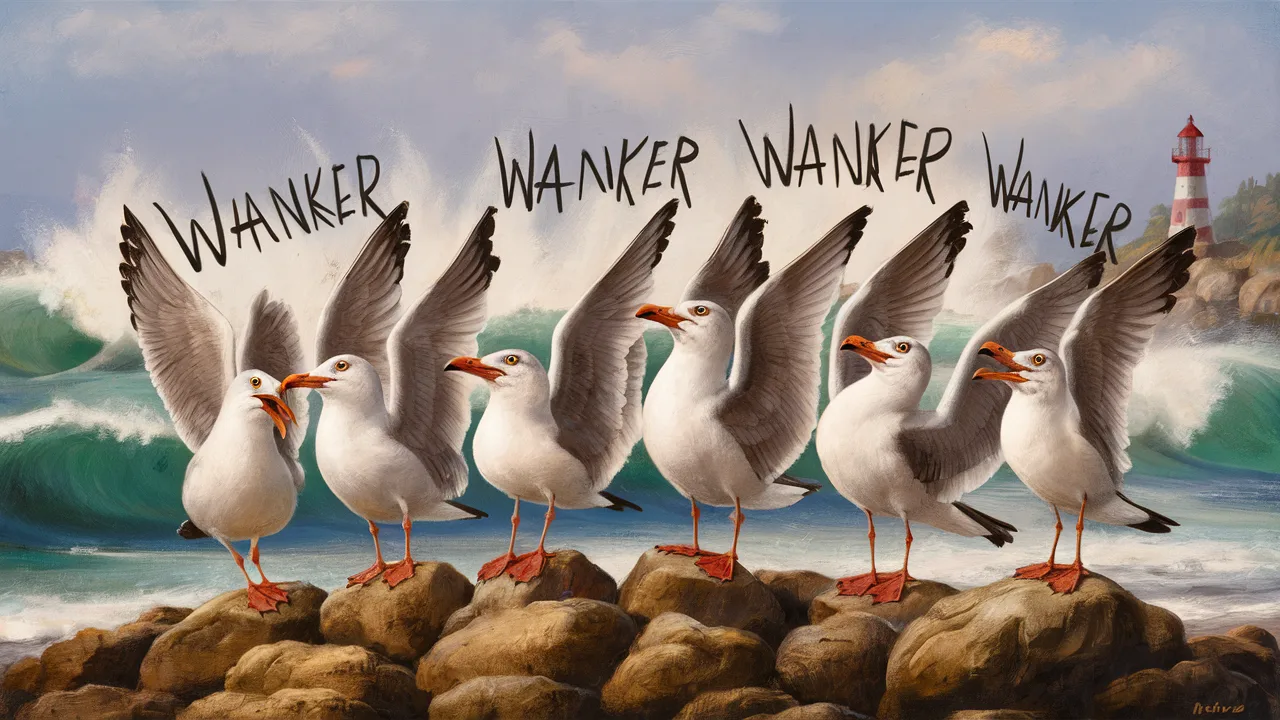
The phrase “wanker wanker wanker“ is often used for emphasis, humor, chanting, or dramatic effect. While the expression may appear simple, it has a surprisingly rich linguistic and cultural history. Understanding where the word originated, how it evolved, and why it remains relevant today offers an interesting perspective on modern communication and the power of slang within society.
This comprehensive guide explores the origins of the term, its historical development, cultural significance, media appearances, and continuing role in modern language.
What Does Wanker Mean?
The word “wanker” originated in British English as a slang insult. Over time, its meaning expanded and became less literal in many contexts. Today, it is often used to describe someone perceived as foolish, arrogant, self-important, annoying, or pretentious.
In everyday conversation, the term frequently functions as a lighthearted insult rather than an expression intended to cause serious offense. Context, tone, and regional differences often determine how strongly the word is interpreted.
As with many slang expressions, its meaning has evolved significantly over time. Modern usage often focuses less on its original definition and more on its role as a humorous or dismissive label.
The Origins of the Word Wanker
The origins of “wanker” can be traced to British slang traditions that developed during the nineteenth and twentieth centuries. Linguists generally associate the term with informal working-class speech, where creative insults and colorful expressions were common features of everyday communication.
British slang has long been known for its ability to generate vivid and memorable terminology. Many expressions that originated within local communities eventually spread throughout the country before gaining international recognition through media, literature, television, and film.
The word gained greater visibility during the latter half of the twentieth century, particularly through British popular culture. As entertainment exports expanded globally, international audiences became increasingly familiar with British slang vocabulary.
Why Repetition Creates Impact
The phrase “wanker wanker wanker” demonstrates an interesting linguistic phenomenon: repetition for emphasis. Repeating a word multiple times increases its emotional intensity and captures attention more effectively than a single use.
Repetition serves several purposes:
- Creating dramatic emphasis
- Adding humor
- Enhancing memorability
- Building audience engagement
- Expressing strong emotions
This technique appears across many languages and cultures. Political speeches, advertising campaigns, sports chants, and entertainment performances frequently rely on repetition to strengthen communication and improve audience recall.
The repeated phrase has therefore become recognizable not only because of the word itself but also because of the impact created through repetition.
Wanker in British Culture
British culture has played a significant role in popularizing the term. It frequently appears in television programs, comedy sketches, films, novels, and everyday conversations.
British humor often relies on sarcasm, irony, and playful insults. Within this cultural framework, words such as “wanker” are commonly used to criticize behavior rather than attack someone’s character in a deeply personal way.
The flexibility of the term contributes to its popularity. It can be applied in serious situations, humorous contexts, sporting rivalries, or casual conversations among friends. This adaptability has helped maintain its relevance for decades.
As British media expanded internationally, audiences in other countries became familiar with the term through exposure to entertainment content and cultural exports.
The Role of Slang in Modern Communication
Slang plays an essential role in how people communicate. It allows speakers to express emotions, establish group identity, and create informal connections with others.
Several factors contribute to the popularity of slang terms:
Identity and Belonging
People often use slang to demonstrate membership within specific social groups or communities.
Efficiency
Slang can communicate complex attitudes and emotions using a single word or phrase.
Creativity
Language users enjoy experimenting with new expressions that add humor, personality, and originality to communication.
Cultural Expression
Slang reflects cultural values, trends, and social attitudes that evolve over time.
The enduring popularity of words like “wanker” highlights the importance of informal language within everyday communication.
Media Influence and Global Recognition
The internet and global entertainment industry have significantly increased the visibility of regional slang terms. Words that were once confined to local communities can now reach international audiences within days.
Television shows, movies, podcasts, social media platforms, and streaming services have introduced British expressions to people around the world. As a result, many non-British English speakers recognize terms that would have been unfamiliar just a few decades ago.
The widespread availability of digital content has accelerated linguistic exchange and encouraged greater awareness of regional language variations.
How Language Evolves Over Time
The story of the word “wanker” illustrates a broader principle of linguistic evolution. Words rarely remain static. Instead, meanings shift in response to social, cultural, and technological changes.
Several forces influence language evolution:
- Media exposure
- Cultural exchange
- Generational differences
- Internet communication
- Popular entertainment
- Social trends
As new generations adopt and reinterpret existing vocabulary, words often acquire additional meanings and uses. This process helps explain why many slang expressions survive for decades while continuing to evolve.
The Psychology of Memorable Words
Certain words become memorable because they possess distinctive sounds, emotional impact, or cultural associations. Linguists and psychologists have long studied how language influences memory and attention.
Words that are:
- Short
- Easy to pronounce
- Emotionally charged
- Frequently repeated
- Widely recognized
tend to remain prominent within public consciousness.
The phrase “wanker wanker wanker” combines repetition with a highly recognizable slang term, making it particularly memorable and attention-grabbing.
Modern Usage in the Digital Age
Today, the term appears across social media platforms, online forums, sports discussions, memes, and digital content. Internet culture has extended the lifespan of many traditional slang expressions by introducing them to new audiences.
Online communities often adapt language creatively, developing new meanings and applications for familiar words. This ongoing process ensures that slang remains dynamic and relevant within modern communication.
Digital platforms also accelerate the spread of linguistic trends, allowing expressions to gain global recognition more quickly than ever before.
Conclusion
The phrase “wanker wanker wanker” represents more than a simple slang expression. It reflects the evolution of language, the influence of culture, and the enduring power of memorable communication. From its origins in British informal speech to its presence in global media and internet culture, the term has undergone significant transformation while maintaining its distinctive identity. Its continued popularity demonstrates how slang evolves, adapts, and remains relevant across generations. As language continues to change, expressions like this provide valuable insight into the relationship between communication, culture, and society.
Frequently Asked Questions (FAQ)
What does the word wanker mean?
It is a British slang term commonly used as an insult, often describing someone viewed as foolish, annoying, arrogant, or pretentious.
Where did the word originate?
The term originated in British English and became widely used throughout the twentieth century.
Why is the phrase repeated three times?
Repetition is a linguistic technique used to create emphasis, humor, and stronger emotional impact.
Is the word commonly used today?
Yes, it remains recognizable in British culture and is often encountered in media, sports, and online discussions.
Why has the term become internationally known?
British television, films, music, and internet content have introduced the word to global audiences.
Does the meaning vary by context?
Yes. Tone, location, audience, and situation can significantly influence how the word is interpreted.
Why is slang important in language?
Slang helps people express identity, humor, emotions, and cultural connections in informal communication.
How does internet culture affect slang?
Digital platforms accelerate the spread of slang and allow expressions to reach international audiences more quickly than ever before.
