
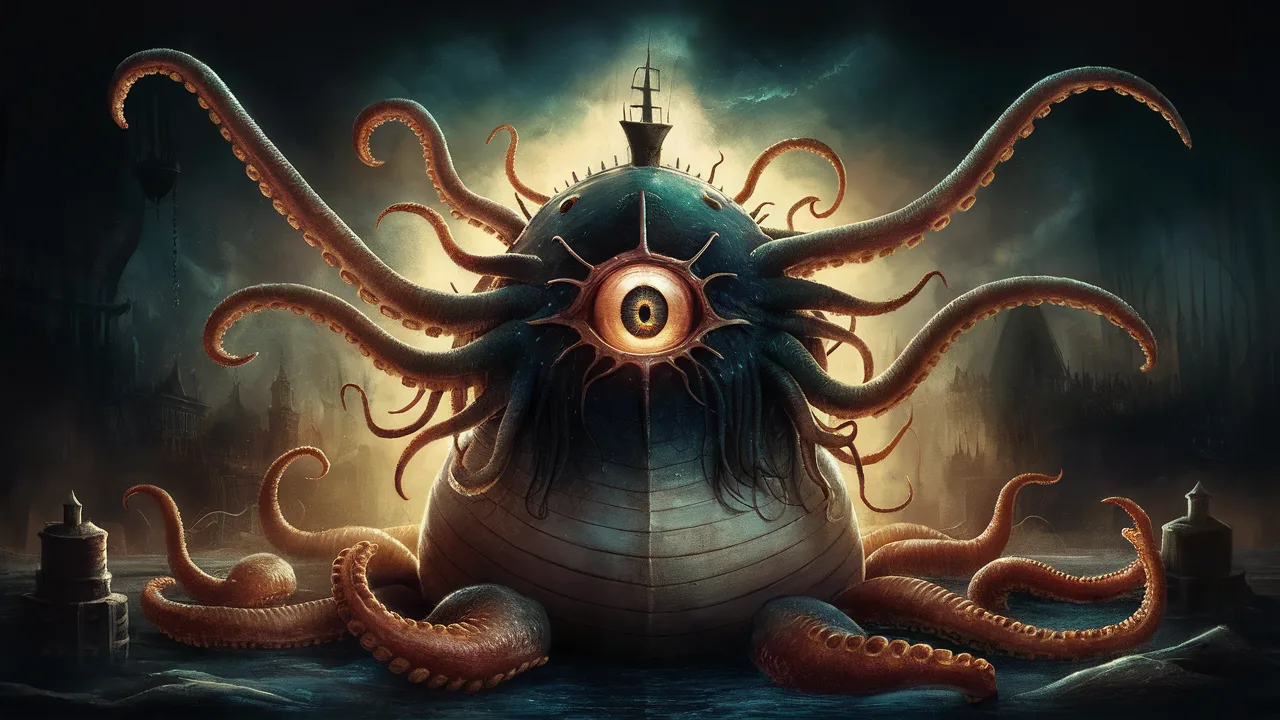
The world of horror fiction contains countless fascinating concepts, but few are as mysterious and captivating as Cthuloid. The term is often associated with cosmic horror, ancient entities, unknowable powers, and narratives that challenge humanity’s understanding of reality. Over the years, Cthuloid themes have expanded beyond traditional literature and become deeply embedded in movies, games, art, online communities, and modern storytelling. The popularity of cosmic horror continues to grow because it introduces fears that transcend ordinary monsters and supernatural threats. Instead of focusing solely on danger, Cthuloid concepts explore humanity’s insignificance within an incomprehensibly vast universe.
As audiences seek more sophisticated and psychologically engaging forms of horror, Cthuloid storytelling remains remarkably relevant. It combines mystery, mythology, suspense, and existential dread into a unique experience that leaves lasting impressions on readers and viewers alike. Understanding Cthuloid themes offers valuable insight into one of the most influential branches of horror culture and reveals why these ideas continue to inspire creators worldwide.
What Is Cthuloid?
The term Cthuloid generally refers to concepts, creatures, atmospheres, and narratives inspired by cosmic horror traditions. It describes entities or ideas that evoke feelings of insignificance, mystery, and fear of the unknown. Unlike traditional horror villains, Cthuloid beings are often beyond human comprehension. Their motives, appearances, and powers challenge conventional understanding and create a sense of awe mixed with terror.
A defining characteristic of Cthuloid themes is the idea that humanity occupies only a tiny place within a vast and indifferent cosmos. This perspective shifts the focus from personal survival to existential uncertainty. Characters encountering Cthuloid forces often struggle not only with physical danger but also with the psychological impact of discovering truths that exceed human understanding.
The enduring appeal of Cthuloid concepts comes from their ability to blend imagination with philosophical questions. They encourage audiences to contemplate the unknown while experiencing suspense and wonder.
The Origins of Cthuloid Themes
The roots of Cthuloid storytelling can be traced to early horror literature and mythological traditions that explored supernatural forces beyond human control. Ancient civilizations frequently imagined powerful beings residing beyond the visible world, influencing events in mysterious ways. These myths laid the foundation for later forms of cosmic horror.
As horror literature evolved, writers began shifting their focus away from ghosts and folklore toward larger cosmic mysteries. This transformation introduced stories featuring ancient entities, forgotten civilizations, forbidden knowledge, and hidden dimensions. These elements became central to what is now recognized as the Cthuloid style.
Over time, the concept expanded into a broader cultural phenomenon. Modern authors, filmmakers, game designers, and artists adopted Cthuloid themes to create immersive worlds filled with mystery and psychological tension. The result is a rich creative tradition that continues influencing contemporary entertainment.
Key Characteristics of Cthuloid Horror
One of the most recognizable features of Cthuloid storytelling is the presence of ancient cosmic entities. These beings are often portrayed as unimaginably old and powerful, existing long before humanity appeared. Their existence challenges human assumptions about reality and creates a profound sense of vulnerability.
Another defining characteristic is forbidden knowledge. Characters frequently encounter ancient texts, mysterious symbols, hidden artifacts, or secret truths that reveal unsettling aspects of existence. Rather than providing answers, these discoveries often deepen confusion and fear.
The atmosphere of uncertainty also plays a crucial role. Cthuloid narratives rarely explain everything directly. Ambiguity encourages audiences to imagine possibilities far more disturbing than explicit descriptions. This technique enhances suspense while maintaining a sense of mystery.
Psychological transformation is another common element. Individuals exposed to cosmic truths often experience profound emotional and mental changes. Their understanding of reality shifts dramatically, creating internal conflicts that are as compelling as external threats.
The Role of Cthuloid Themes in Modern Entertainment
Today, Cthuloid influences can be found across numerous forms of media. Literature remains a major source of cosmic horror storytelling, but the concept has expanded into film, television, gaming, and digital content.
Movies frequently use Cthuloid elements to create tension through unseen forces, mysterious dimensions, and existential threats. Instead of relying solely on visual scares, these stories cultivate unease by suggesting realities that lie beyond ordinary perception.
Video games have become particularly effective at exploring Cthuloid themes. Interactive storytelling allows players to investigate mysteries, uncover forbidden knowledge, and experience psychological tension firsthand. The combination of exploration and uncertainty creates immersive experiences that align perfectly with cosmic horror principles.
Television series and streaming productions have also embraced Cthuloid concepts. Audiences increasingly appreciate narratives that blend mystery, mythology, and psychological complexity, making cosmic horror more popular than ever.
Why Audiences Are Drawn to Cthuloid Stories
The popularity of Cthuloid storytelling stems from its unique approach to fear. Traditional horror often focuses on immediate threats such as monsters, criminals, or supernatural entities. Cthuloid horror introduces a deeper level of unease by questioning humanity’s place in the universe.
Many people find these themes intellectually stimulating because they combine entertainment with philosophical exploration. The idea that reality may contain hidden dimensions, ancient intelligences, or unknowable forces sparks curiosity while maintaining suspense.
Additionally, Cthuloid narratives encourage imagination. Because many mysteries remain unresolved, audiences become active participants in interpreting events and meanings. This engagement creates memorable experiences that linger long after the story ends.
The genre also appeals to fans of mythology and fantasy. The intricate histories, ancient civilizations, and complex lore associated with Cthuloid worlds provide rich material for exploration and discussion.
The Cultural Impact of Cthuloid Concepts
The influence of Cthuloid ideas extends far beyond horror fiction. Artists, musicians, writers, and game developers frequently draw inspiration from cosmic horror themes. Visual art often depicts vast cosmic landscapes, mysterious creatures, and surreal environments that evoke wonder and dread simultaneously.
Online communities dedicated to horror and fantasy regularly discuss Cthuloid mythology, theories, and interpretations. This ongoing engagement has helped sustain interest in cosmic horror across generations.
The concept has also contributed to academic discussions about literature, philosophy, and psychology. Scholars examine how Cthuloid narratives reflect human anxieties regarding uncertainty, knowledge, and existence itself. These discussions demonstrate the depth and complexity of the genre.
As new technologies emerge, creators continue finding innovative ways to adapt Cthuloid themes. Virtual reality, interactive storytelling, and advanced visual effects offer exciting opportunities for expanding cosmic horror experiences.
The Future of Cthuloid Storytelling
The future of Cthuloid storytelling appears exceptionally bright. Modern audiences increasingly seek narratives that offer more than simple scares. They want immersive worlds, compelling mysteries, and thought-provoking themes. Cthuloid concepts meet these expectations by combining psychological depth with imaginative world-building.
Advancements in entertainment technology will likely introduce even more sophisticated ways to experience cosmic horror. Interactive media, artificial intelligence, and immersive storytelling platforms can enhance the sense of mystery and exploration that defines the genre.
As creators continue experimenting with new formats, Cthuloid themes will remain a powerful source of inspiration. Their ability to evoke fear, wonder, curiosity, and philosophical reflection ensures their lasting relevance in contemporary culture.
Conclusion
Cthuloid represents one of the most fascinating and enduring concepts within horror and fantasy storytelling. By exploring cosmic mysteries, ancient entities, forbidden knowledge, and humanity’s place within an immense universe, Cthuloid narratives offer experiences unlike any other genre. Their influence extends across literature, gaming, film, art, and digital media, inspiring creators and audiences around the world.
The enduring appeal of Cthuloid themes lies in their ability to combine imagination, suspense, and intellectual curiosity. As technology and storytelling continue evolving, these concepts will remain at the forefront of creative exploration, captivating future generations with their unique blend of mystery and cosmic wonder.
Frequently Asked Questions (FAQ)
What does Cthuloid mean?
Cthuloid generally refers to concepts, creatures, or themes associated with cosmic horror, ancient entities, and unknowable forces.
Why is Cthuloid popular in horror fiction?
It introduces psychological and existential themes that create a deeper sense of fear than traditional horror approaches.
What are the main characteristics of Cthuloid stories?
Ancient cosmic beings, forbidden knowledge, mystery, psychological tension, and existential uncertainty.
How does Cthuloid differ from traditional horror?
Traditional horror often focuses on immediate threats, while Cthuloid horror emphasizes humanity’s insignificance within a vast and mysterious universe.
Where can Cthuloid themes be found today?
They appear in books, films, television series, video games, artwork, and online storytelling communities.
