
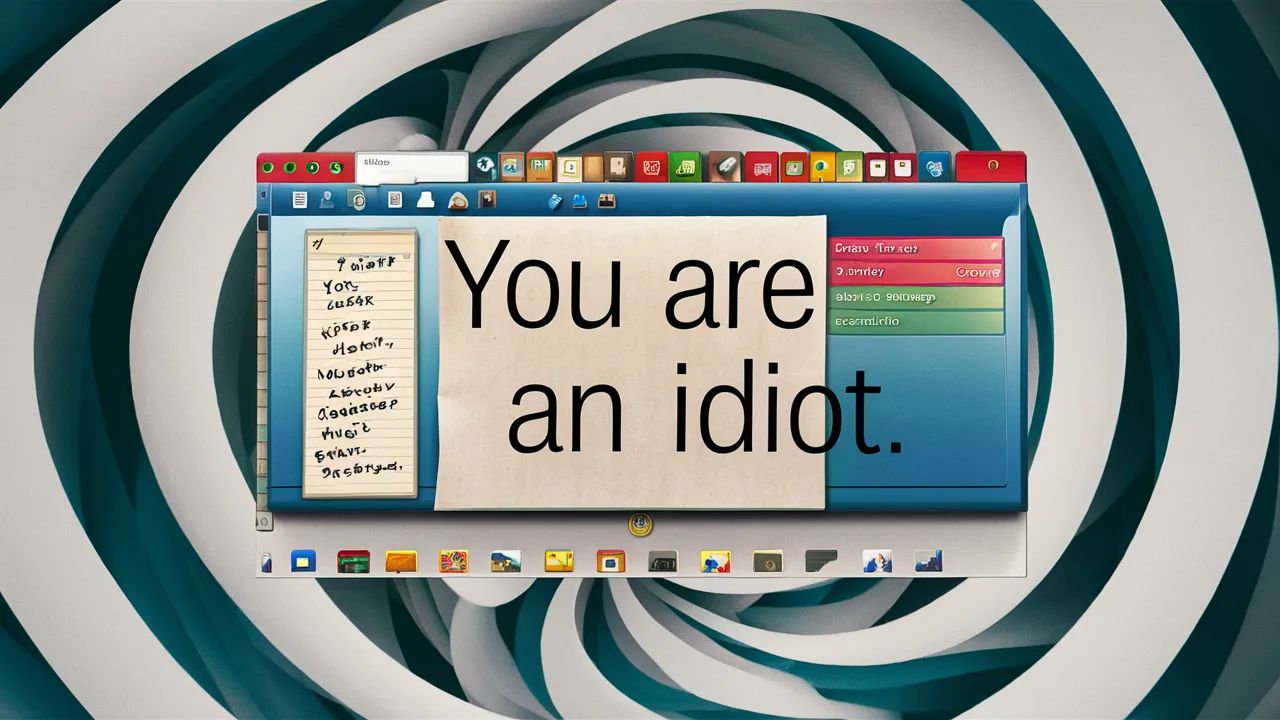
The early internet era of the 2000s, especially during the dominance of Windows XP, was a time filled with experimentation, curiosity, and the rise of unexpected digital phenomena. One of the most infamous phrases associated with that period is “you are an idiot”, often linked with intrusive pop-ups, prank scripts, and malicious browser-based behavior. Many users who experienced the early web remember encountering strange screens or repetitive messages that disrupted their computers. This article provides a complete SEO-optimized explanation of the phrase “you are an idiot window xp”, its origin, its connection to internet pranks, and the cybersecurity lessons it teaches today. The goal is to provide historical context, technical awareness, and digital safety understanding in a structured and informative way.
What Does “You Are an Idiot Window XP” Mean?
The phrase “you are an idiot window xp” is commonly associated with early internet prank scripts that appeared on Windows XP systems. It does not refer to an official Microsoft feature or a real system message. Instead, it is linked to browser-based prank pages and malicious scripts that were designed to confuse or annoy users.
When triggered, these scripts would often:
- Display repeated pop-up windows
- Play loud or unexpected sounds
- Open multiple browser tabs automatically
- Freeze or slow down older systems like Windows XP
The phrase itself, “you are an idiot,” was used purely as a shock-value message intended to startle users and demonstrate control over their browser session.
The Origin of the “You Are an Idiot” Prank
During the early 2000s, internet users began experimenting with JavaScript-based prank pages. One of the most well-known examples was the “You Are an Idiot” pop-up prank, which spread rapidly across forums, email links, and early social networks.
This prank typically worked by exploiting browser behaviors at the time:
- Limited pop-up blocking protection
- Weak script execution restrictions
- Lack of modern security sandboxing
As a result, once a user opened the page, it could trigger an endless loop of pop-ups and audio playback, making it difficult to close without restarting the system.
Why It Became Associated with Windows XP
Windows XP was one of the most widely used operating systems during the peak of this prank’s popularity. Several factors contributed to this association:
1. Large User Base
Windows XP dominated personal computing, meaning more users were exposed to early internet risks.
2. Weak Browser Security
Internet Explorer, commonly used on XP, had limited protection against malicious scripts.
3. System Performance Limitations
Older hardware struggled to handle repeated pop-ups, making the prank more disruptive.
4. Early Internet Culture
The internet was less regulated, allowing experimental and prank-based content to spread easily.
Because of these factors, the phrase became permanently linked with the Windows XP internet experience.
How the “You Are an Idiot” Prank Worked
From a technical perspective, the prank relied on looping scripts that continuously generated browser windows. While harmless in intent in many cases, it could severely disrupt user experience.
Common behaviors included:
- Infinite pop-up generation
- Automatic sound playback loops
- Browser hijacking effects (limited control over navigation)
Although not always classified as traditional malware, it behaved similarly to adware or nuisance scripts, especially by modern standards.
Internet Safety Lessons from the Windows XP Era
The legacy of “you are an idiot window xp” offers important lessons in cybersecurity and digital awareness. Modern users benefit from stronger protection systems, but understanding past threats helps prevent similar issues today.
1. Importance of Browser Security
Modern browsers include built-in protections against pop-ups, scripts, and unauthorized redirects.
2. Awareness of Unknown Links
Many users encountered such pranks through suspicious links shared in emails or forums.
3. System Updates Matter
Windows XP lacked frequent security updates in later years, increasing vulnerability.
4. Cyber Hygiene is Essential
Avoiding unknown websites and maintaining security software helps prevent similar issues today.
Internet Culture and Meme Evolution
Over time, the phrase “you are an idiot” evolved from a disruptive script into an internet meme. It became part of early web culture, often referenced humorously when discussing nostalgic internet experiences.
It represents:
- Early meme culture development
- Experimental web programming era
- The transition from chaotic internet to modern security standards
What was once a frustrating experience is now often remembered as part of internet history and digital nostalgia.
Modern Perspective on Such Pranks
Today, similar scripts are far less effective due to advanced security systems. Modern browsers include:
- Pop-up blockers
- Script sandboxing
- Malware detection systems
- Permission-based notifications
As a result, the kind of behavior seen in the Windows XP era is now largely prevented by default security design.
Conclusion
The phrase “you are an idiot window xp” represents a unique chapter in early internet history, combining humor, experimentation, and the lack of digital security awareness that defined the Windows XP era. While it originated as a browser prank designed to overwhelm users with pop-ups and disruptive behavior, it has since become a symbol of how far internet security has evolved. Today, it serves as both a nostalgic reference and an important reminder of why modern cybersecurity systems are essential. By understanding its history and impact, we gain valuable insight into the evolution of the internet and the importance of safe browsing practices in the digital age.
Frequently Asked Questions (FAQ)
What is “You Are an Idiot Window XP”?
It refers to an old internet prank script that caused repetitive pop-ups and disruptive browser behavior during the Windows XP era.
Is it a real virus?
It was not a traditional virus, but it behaved like malicious or nuisance software by disrupting user experience.
Why did it appear on Windows XP?
Because Windows XP and older browsers had weaker security protections against scripts and pop-ups.
Is it still a threat today?
No, modern browsers and security systems block such behavior effectively.
Why is it still talked about?
It remains part of internet history and early meme culture, often remembered for its chaotic and humorous impact.
