
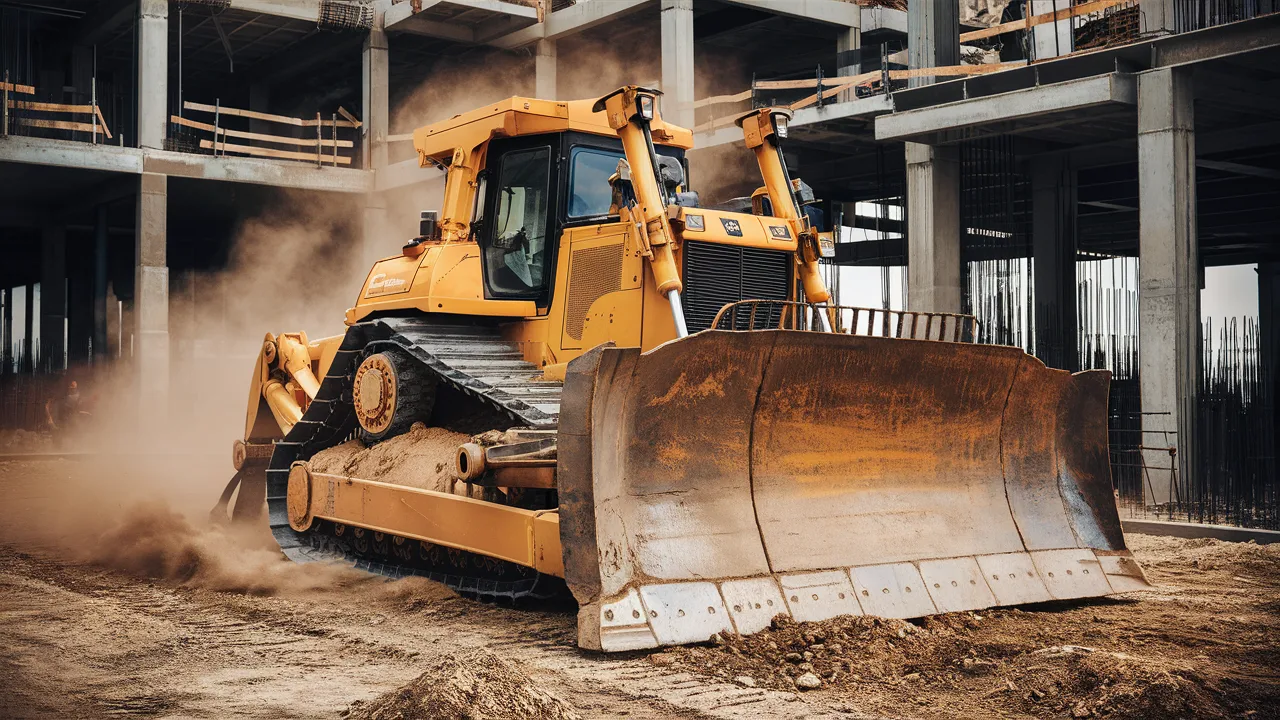
The bulldozer is one of the most iconic and versatile pieces of heavy machinery in the construction and earthmoving industries. When paired with other excavation equipment, it plays a critical role in shaping landscapes, preparing construction sites, and moving large quantities of soil, debris, or rock efficiently. Bulldozers are characterized by their robust design, heavy-duty blade, and powerful engine, making them indispensable for projects that require both strength and precision.
Modern construction relies on a combination of machinery to optimize productivity and safety. Bulldozers work alongside excavators, loaders, and graders to ensure that earthmoving operations are carried out efficiently. Their ability to clear land, level terrain, and push heavy materials has made them a staple in construction, mining, road building, and agricultural projects.
Types of Bulldozers and Their Uses
There are several types of Bulldozer and, each designed for specific applications. Crawler bulldozers, equipped with continuous tracks, provide excellent traction on soft or uneven terrain, making them ideal for rough construction sites and heavy-duty tasks. Wheel bulldozers, on the other hand, offer greater mobility and speed, suitable for lighter earthmoving tasks and road maintenance.
Bulldozers can also be categorized by the type of blade they carry: straight blades (S-blade) for fine grading, universal blades (U-blade) for pushing large volumes of material, and semi-U blades (SU-blade) for a combination of pushing and fine leveling. Each blade type provides specific advantages depending on the material being moved and the task at hand.
Bulldozer and Excavation: How They Work Together
While bulldozers excel at pushing and leveling, excavators specialize in digging and lifting heavy materials. Combining these two types of equipment allows construction teams to complete projects more efficiently. Excavators dig trenches, foundations, or pits, while bulldozers move soil and debris away from the site, creating a smooth and manageable working area.
This synergy is especially important in large-scale projects such as highway construction, land reclamation, and mining operations. Proper coordination between bulldozers and excavation equipment reduces project timelines, increases safety, and ensures that materials are handled effectively.
Key Features of Modern Bulldozers
Modern bulldozers are equipped with advanced features that enhance performance, comfort, and safety. Powerful diesel engines provide high torque and reliability, enabling the machine to push massive loads with ease. Hydraulic systems allow precise control of the blade, ripper, and other attachments.
Operator cabins are designed for comfort and visibility, featuring air-conditioning, adjustable seating, and ergonomic controls. Many bulldozers now incorporate GPS and telematics systems, allowing operators to monitor performance, optimize blade movements, and ensure accurate grading.
Durability is a critical feature, as bulldozers are often subjected to harsh working conditions. Reinforced frames, heavy-duty undercarriages, and wear-resistant blades extend the machine’s lifespan, reducing maintenance costs and downtime.
Applications of Bulldozers in Construction
The versatility of bulldozers allows them to perform a wide range of tasks:
- Land Clearing: Bulldozers are used to remove trees, brush, and debris from construction sites or agricultural land.
- Grading and Leveling: They create a smooth and level surface for building foundations, roads, and runways.
- Earthmoving: Bulldozers push large quantities of soil, sand, and gravel efficiently across sites.
- Road Construction: They prepare the terrain for paving and maintain roads by spreading and leveling materials.
- Mining Operations: Bulldozers help in overburden removal, access roads, and material handling in open-pit mines.
By combining bulldozers with other heavy machinery, construction teams can complete complex projects safely and on schedule.
Safety Practices for Bulldozer Operation
Operating a bulldozer requires strict adherence to safety standards. Key safety measures include:
- Ensuring proper training and certification for operators.
- Inspecting the machine before use to check for mechanical issues.
- Using seat belts and ensuring cabin safety features are functional.
- Maintaining safe distances from other workers and machinery.
- Avoiding steep slopes or unstable terrain to prevent rollovers.
Safety is especially important when bulldozers work alongside excavators and loaders, as coordination and communication are essential to avoid accidents.
Bulldozer Maintenance Tips
Regular maintenance ensures bulldozers remain reliable and efficient. Key maintenance practices include:
- Checking and changing engine oil and filters regularly.
- Inspecting tracks, undercarriages, and blade components for wear.
- Monitoring hydraulic fluid levels and system performance.
- Cleaning air filters to prevent engine overheating.
- Conducting scheduled inspections according to manufacturer guidelines.
Proactive maintenance reduces downtime and extends the machine’s operational life, ensuring it remains ready for demanding construction tasks.
Choosing the Right Bulldozer for Your Project
Selecting the appropriate bulldozer depends on project size, terrain, and material type. Smaller projects may require a compact bulldozer for maneuverability, while large-scale operations benefit from a heavy crawler bulldozer for maximum pushing power.
Consider blade type, engine power, and additional attachments such as rippers or winches. Evaluating these factors ensures that the machine aligns with the specific needs of the project, optimizing both productivity and cost efficiency.
Conclusion: Bulldozer and Excavation as Cornerstones of Modern Construction
Bulldozer and are indispensable tools in modern construction and earthmoving operations. Their ability to move, level, and shape the land efficiently complements excavation equipment, creating a powerful combination for large-scale and small-scale projects alike. By understanding the different types, features, and applications, construction teams can maximize productivity while maintaining safety and operational efficiency.
From clearing land to preparing building foundations and supporting mining operations, bulldozers continue to demonstrate their versatility and strength. When paired with proper maintenance, safety practices, and complementary machinery like excavators, they remain a cornerstone of effective construction management.
FAQ: Bulldozer and Excavation
What is a bulldozer used for?
A bulldozer is used for pushing, leveling, and moving soil, debris, and materials in construction, mining, and agricultural projects.
What types of bulldozers exist?
There are crawler bulldozers for heavy-duty work and wheel bulldozers for mobility and lighter tasks.
How do bulldozers work with excavators?
Excavators dig and lift materials, while bulldozers push and level soil, improving project efficiency.
What safety measures should be taken when operating a bulldozer?
Operators should be trained, wear safety gear, maintain safe distances, and inspect the machine regularly.
How often should bulldozers be maintained?
Routine maintenance is recommended according to manufacturer guidelines, including oil checks, track inspection, and hydraulic system monitoring.
Which bulldozer is best for large-scale construction?
Heavy crawler bulldozers with reinforced frames and high engine power are ideal for large-scale projects.
