
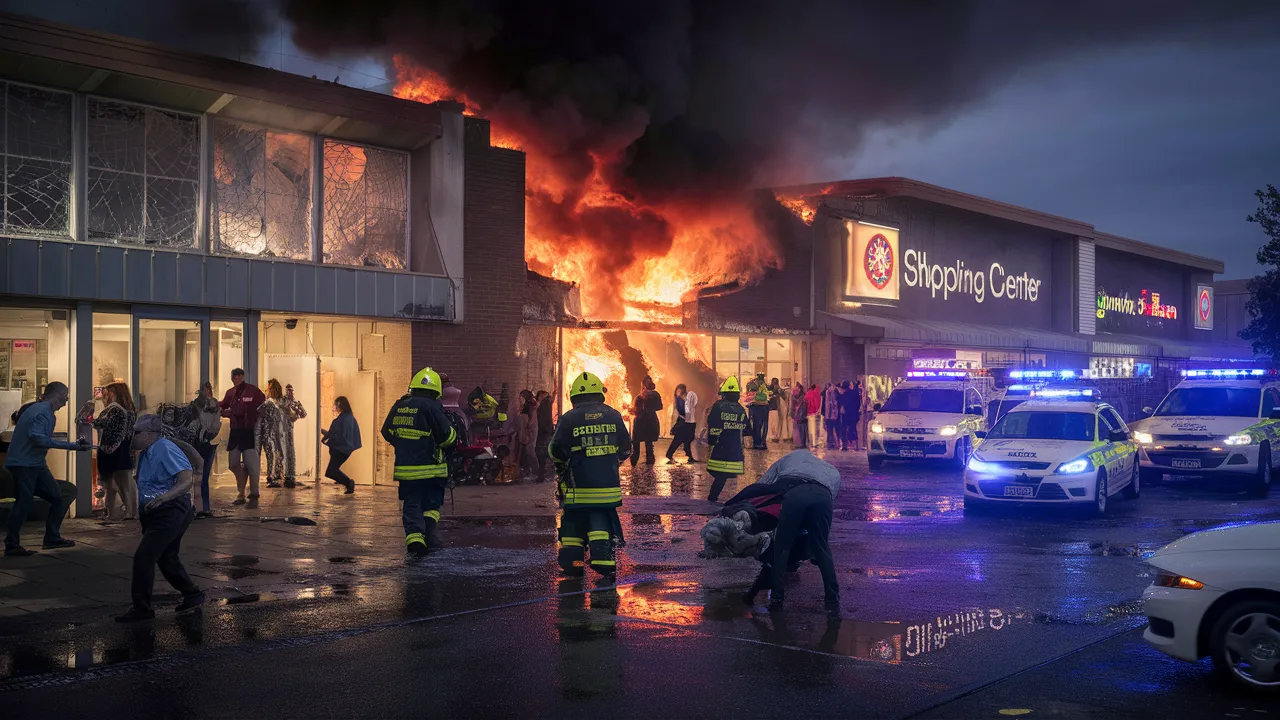
When a Gillingham shopping center emergency occurs, fast decisions and clear guidance become essential. Shopping centers are busy public spaces where families, workers, and visitors gather daily. Emergencies may include fire alarms, medical incidents, security concerns, severe weather alerts, power failures, or evacuation events. In such moments, organized action protects lives, reduces panic, and restores normal operations quickly.
We understand that shoppers want reliable information about how emergencies are handled, what steps to follow, and how management ensures public safety. A modern shopping center must be ready for unexpected situations with trained staff, clear communication systems, marked exits, and coordinated emergency procedures.
This complete guide explains everything visitors should know about Gillingham shopping center emergency protocols, including common risks, immediate actions, evacuation methods, staff responsibilities, and ways to stay safe before, during, and after an incident.
Understanding a Gillingham Shopping Center Emergency
A shopping center emergency refers to any sudden event that threatens health, safety, property, or business continuity. These emergencies vary in scale, from minor medical assistance calls to full-building evacuations.
Common examples include:
- Fire alarms or smoke detection
- Medical emergencies
- Security threats
- Suspicious packages
- Lost children incidents
- Power outages
- Flooding or water leaks
- Severe weather warnings
- Escalator or lift malfunctions
- Crowd control concerns during peak hours
Preparedness ensures that these incidents are managed quickly and professionally.
Immediate Steps to Take During an Emergency
If you are inside the shopping center when an emergency happens, staying calm is the first priority. Panic creates confusion and slows safe movement.
1. Follow Official Announcements
Listen carefully to announcements from management, security teams, or emergency services. Instructions may direct visitors to remain in place or evacuate immediately.
2. Locate the Nearest Exit
Every visitor should be aware of exits when entering large public spaces. In emergencies, use the closest safe exit rather than returning to the main entrance.
3. Assist Children and Elderly Visitors
Families, seniors, and people with mobility challenges may need help. Responsible assistance improves evacuation speed and safety.
4. Avoid Lifts
During fire alarms or power failures, lifts should not be used. Stairways are the safest option.
5. Keep Pathways Clear
Do not stop to film, gather belongings, or block corridors. Clear routes allow emergency teams to work efficiently.
How Shopping Centers Manage Emergencies
Modern retail centers maintain detailed emergency systems designed to protect everyone on-site.
Security Teams
Trained security officers monitor entrances, CCTV systems, alarms, and visitor movement. They coordinate the first response until emergency services arrive.
Fire Safety Systems
Most centers use:
- Smoke detectors
- Sprinkler systems
- Fire extinguishers
- Emergency lighting
- Alarm networks
- Fire doors
These systems help control risk before firefighters arrive.
Medical Assistance
Many shopping centers keep first aid stations, automated defibrillators, and trained responders available for medical incidents.
Communication Systems
Public address systems, digital screens, radios, and staff messaging tools help spread accurate instructions quickly.
Evacuation Procedures at Gillingham Shopping Center
Evacuation is sometimes necessary to ensure public safety. A proper evacuation follows organized steps.
Alarm Activation
An alarm or announcement informs visitors of a required evacuation.
Staff Direction
Employees guide shoppers toward safe exits and assembly points.
Exit Routes
Marked emergency routes reduce congestion and confusion.
Assembly Areas
Visitors gather outside in safe zones while officials assess the situation.
Re-entry Authorization
Only management or emergency services can approve return access.
We recommend following every instruction immediately, even if the cause seems minor.
Medical Emergencies in a Shopping Center
Medical emergencies are among the most common incidents in public retail spaces. These may include fainting, injuries, allergic reactions, chest pain, slips, or dehydration.
If someone needs help:
- Alert nearest staff member immediately
- Call emergency services if required
- Provide space around the patient
- Do not move injured persons unnecessarily
- Stay nearby if witnesses are needed
Fast reporting can significantly improve outcomes.
Security Incidents and Public Protection
Security emergencies require calm and rapid cooperation. Suspicious behavior, theft escalation, aggressive conduct, or unattended items must be reported instantly.
Visitors should:
- Inform security staff discreetly
- Avoid confrontation
- Move to a safer location if necessary
- Follow lockdown or evacuation guidance
- Share accurate observations only
Strong security planning helps shopping centers reduce disruption and protect customers.
How Visitors Can Prepare Before an Emergency
Prepared visitors respond better in unexpected situations.
Know Your Surroundings
Take note of exits, stairwells, and information desks when entering.
Keep Phones Charged
A charged phone helps you receive alerts and contact family members.
Supervise Children
Busy centers can become confusing during alarms or evacuations.
Wear Suitable Footwear
Comfortable shoes can help during long walks or emergency exits.
Stay Alert
Awareness of surroundings is one of the best personal safety habits.
Role of Businesses Inside the Shopping Center
Retail stores, cafes, and service providers inside shopping centers also play an important emergency role.
They should:
- Train staff in evacuation procedures
- Maintain fire extinguisher awareness
- Keep exits clear
- Protect customers calmly
- Communicate with management quickly
- Follow reopening protocols after incidents
Prepared businesses help maintain overall public safety.
Post-Emergency Recovery and Reopening
Once an emergency ends, management typically performs safety checks before normal activity resumes.
Recovery actions may include:
- Inspecting electrical systems
- Confirming structural safety
- Cleaning affected areas
- Reviewing CCTV footage
- Supporting impacted visitors or staff
- Updating public notices
- Improving procedures based on lessons learned
This process ensures confidence when reopening.
Why Emergency Preparedness Matters
A well-prepared shopping center builds trust with visitors. People feel safer when they know management values protection, training, and clear procedures.
Benefits include:
- Faster emergency response
- Reduced injuries
- Better communication
- Controlled evacuations
- Lower panic levels
- Stronger public confidence
- Improved business continuity
Preparedness is not optional—it is essential for modern public spaces.
Tips for Families Visiting Busy Shopping Centers
Families can improve safety with simple habits.
- Choose a meeting point on arrival
- Teach children to seek uniformed staff if separated
- Carry emergency contact details
- Keep essentials accessible
- Stay together during alarms
- Avoid rushing or pushing crowds
Small precautions make a major difference.
Conclusion
A Gillingham shopping center emergency can involve many situations, from medical incidents to evacuation alerts. The safest response always includes calm behavior, quick cooperation, and attention to official guidance. Shopping centers that invest in staff training, security systems, fire protection, and visitor communication create safer environments for everyone.
We encourage every visitor to stay aware of exits, follow instructions immediately, and prioritize safety over convenience. Whether the emergency is minor or serious, informed action protects families, employees, and the wider community. Preparedness, awareness, and rapid response remain the strongest tools in any public emergency situation.
Frequently Asked Questions (FAQ)
What is a shopping center emergency?
A shopping center emergency is any unexpected event that risks safety, such as fire alarms, medical incidents, security threats, or power outages.
What should I do first during an emergency?
Stay calm, listen to official instructions, and move toward the nearest safe exit if directed.
Should I use lifts during an evacuation?
No. Stairways are safer during fire alarms or electrical failures.
Who handles emergencies in shopping centers?
Security teams, management staff, first aid responders, and public emergency services coordinate responses.
Can I re-enter after evacuation?
Only after management or emergency services confirm it is safe.
How can families stay safe while shopping?
Stay together, know exits, choose a meeting point, and supervise children closely.
