
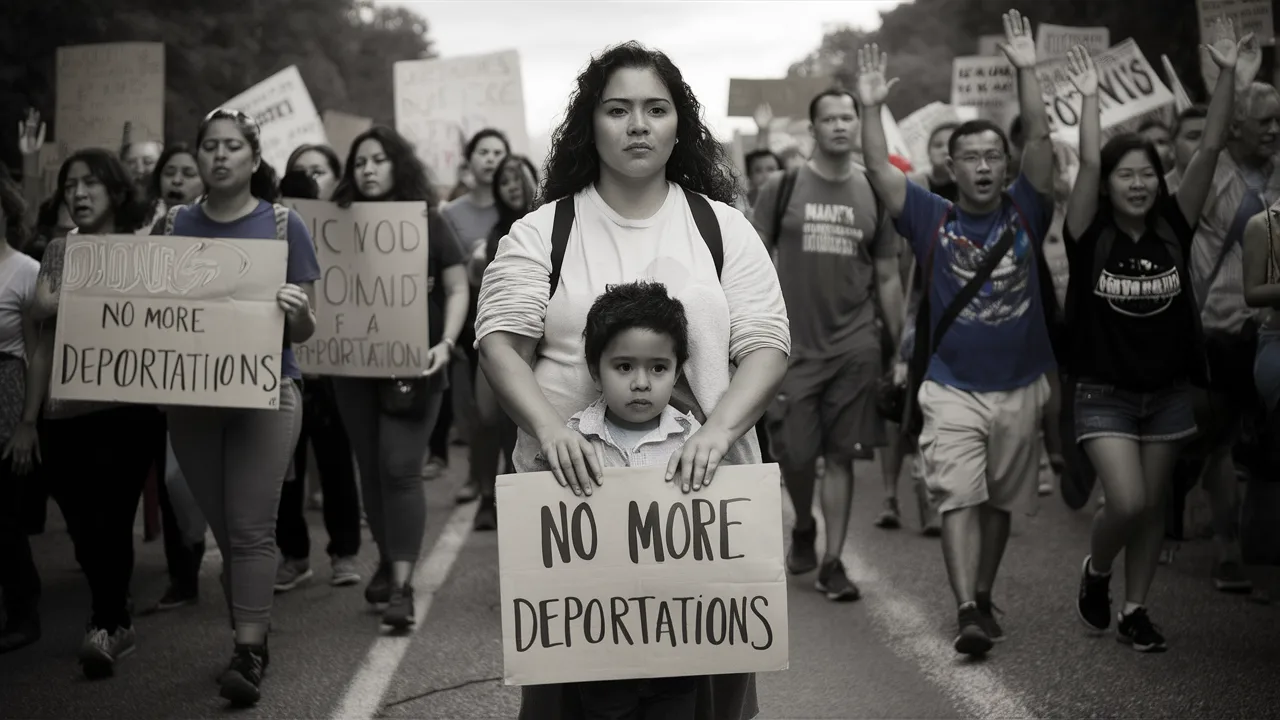
Immigration enforcement in the United States has long been a topic of national and global debate, especially when it involves family separation and deportation cases. One phrase that has gained attention in search queries is “mother deported ICE Patricia Balbuena Soto”, reflecting public interest in real-life immigration enforcement situations and their human impact. While individual cases vary and must be understood carefully within legal and factual boundaries, they often highlight broader issues surrounding immigration policy, enforcement procedures, and the emotional consequences faced by families. This article explores the general framework of ICE deportation, the impact on mothers and families, and the wider implications of such cases in modern immigration systems.
Understanding ICE Deportation and Its Role
The U.S. Immigration and Customs Enforcement (ICE) is a federal agency responsible for enforcing immigration laws within the United States. Its duties include identifying individuals who may be in violation of immigration regulations and carrying out deportation orders when required by law. Deportation, also known as removal proceedings, is a legal process where individuals are required to leave the country due to immigration status issues or court rulings.
In cases involving mothers or primary caregivers, deportation can have significant consequences for families, particularly children who may be U.S. citizens or long-term residents. These situations often lead to complex legal and humanitarian discussions.
Context Around the Keyword “Patricia Balbuena Soto”
Search interest in “mother deported ICE Patricia Balbuena Soto” reflects how individual names sometimes become associated with broader immigration discussions online. While public attention may focus on specific narratives, it is important to understand that immigration cases are governed by legal proceedings, privacy protections, and court decisions.
In many such discussions, names are referenced in relation to family separation themes, immigration hearings, or advocacy-related conversations. However, each case must be evaluated based on verified legal documentation rather than assumptions or incomplete information.
How ICE Deportation Cases Typically Work
The deportation process generally follows several structured steps:
- Apprehension or Identification: Individuals may be identified through routine enforcement or legal checks
- Detention or Notice to Appear: A legal notice is issued requiring the individual to attend immigration court
- Immigration Court Hearing: A judge reviews the case and determines legal status
- Final Order of Removal: If ordered, ICE carries out deportation procedures
Throughout this process, individuals may have opportunities to seek legal representation, asylum claims, or appeals, depending on their situation.
Impact on Mothers and Families
When a mother is involved in deportation proceedings, the consequences often extend beyond the individual case. Families may face:
- Emotional distress due to separation
- Financial instability from loss of income
- Legal uncertainty regarding custody of children
- Long-term psychological effects on children and relatives
These human impacts are central to many public debates about immigration enforcement policies. Advocacy groups often highlight the need for balanced approaches that consider both legal enforcement and humanitarian concerns.
Legal Rights in ICE Deportation Cases
Individuals facing deportation still retain certain legal rights under U.S. law. These may include:
- The right to legal counsel (at personal expense)
- The right to present evidence in court
- The right to apply for asylum or relief from removal
- The right to appeal certain decisions
Understanding these rights is essential for ensuring fair legal processes and informed outcomes.
Media Coverage and Public Perception
Cases involving mothers and deportation often attract significant media attention due to their emotional and social implications. However, media narratives can sometimes oversimplify complex legal situations. It is important for readers to distinguish between verified legal facts and publicly circulated interpretations.
Public discussions around immigration enforcement frequently influence policy debates, highlighting the need for accurate and responsible reporting.
Broader Immigration Policy Discussion
The topic of ICE deportation and family separation is part of a larger conversation about immigration reform. Key issues include:
- Border security and enforcement priorities
- Humanitarian protections for families
- Pathways to legal residency
- Balancing national law with human rights considerations
These discussions continue to shape legislation and public opinion across the United States.
Conclusion
The search interest surrounding “mother deported ICE Patricia Balbuena Soto” reflects a broader concern about immigration enforcement and its impact on families. While each case is unique and must be understood within its legal context, the underlying themes often involve complex intersections of law, humanity, and policy. ICE deportation cases highlight the importance of understanding immigration procedures, legal rights, and the emotional realities faced by affected families. As immigration systems continue to evolve, ongoing dialogue remains essential to ensure fairness, transparency, and compassion in enforcement practices.
Frequently Asked Questions (FAQ)
What does ICE do in deportation cases?
ICE enforces immigration laws and carries out deportation orders issued through legal proceedings.
Why are mothers often highlighted in deportation discussions?
Because family separation, especially involving mothers and children, raises significant humanitarian concerns.
Is the Patricia Balbuena Soto case confirmed publicly?
Public references may exist in discussions, but detailed case information should always be verified through official legal sources.
Do individuals facing deportation have legal rights?
Yes, they may have rights such as legal representation, court hearings, and appeals depending on their case.
Why is immigration enforcement controversial?
It involves balancing national law enforcement with humanitarian and family welfare considerations.
