
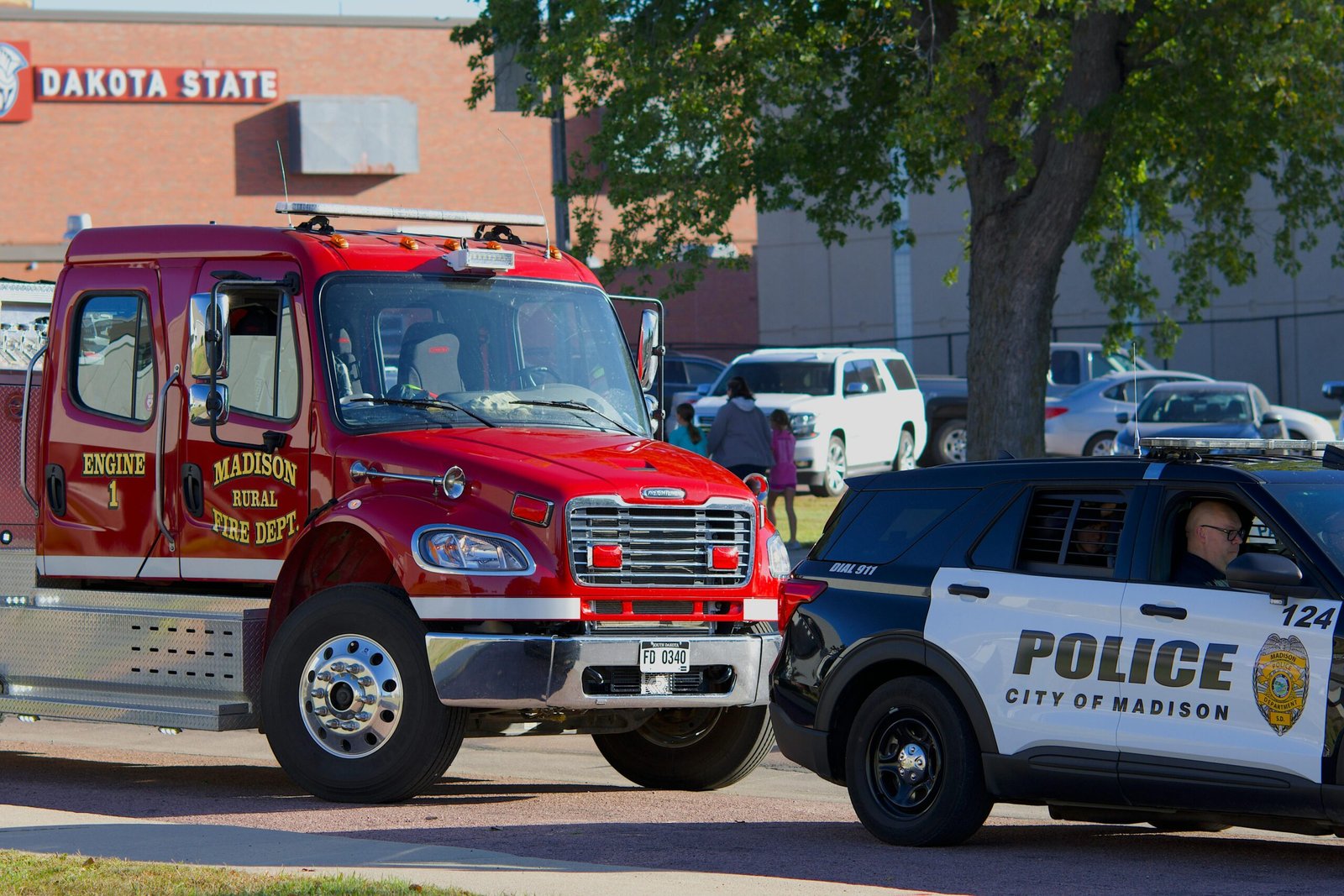
Incidents of gun violence often capture national attention, particularly when they occur in communities known for safety and stability. The phrase “Madison shooting” has appeared frequently in news reports and online searches as people seek reliable information about recent incidents in the city of Madison. Whenever such events occur, they generate concern among residents, prompt law enforcement investigations, and spark discussions about safety and prevention.
Madison, the capital of Wisconsin, is widely known for its universities, vibrant cultural life, and relatively low crime rate compared to many other metropolitan areas. However, like any city, Madison occasionally experiences violent incidents that draw the attention of local authorities and the wider public.
This article provides a comprehensive overview of Madison shooting incidents, including what typically happens during such investigations, the role of law enforcement, the impact on communities, and the broader context of public safety efforts. By examining these elements in detail, readers can better understand how authorities respond to such situations and how communities work together to maintain safety.
Understanding a Madison Shooting Incident
When a shooting occurs in Madison Shooting, the first response usually comes from the Madison Police Department, which is responsible for law enforcement within the city. Officers are dispatched to the scene immediately after emergency calls are received. Their initial priority is to secure the area, provide medical assistance to victims, and gather information about the suspect or suspects involved.
Authorities then begin a formal investigation that includes collecting physical evidence, interviewing witnesses, and reviewing surveillance footage if available. Detectives often work alongside forensic specialists to reconstruct the timeline of events and identify individuals responsible for the incident.
Recent reports have highlighted several shooting-related investigations in and around Madison, including cases involving injured victims and ongoing police inquiries. In some situations, incidents may involve disputes between individuals, while others may be connected to broader criminal investigations.
Timeline of a Typical Shooting Investigation
Understanding the timeline of a shooting investigation helps explain how authorities manage such events.
Emergency Response
When gunshots are reported, emergency dispatchers immediately notify police and medical services. Officers arrive at the location to assess the situation and ensure the area is safe for paramedics to assist injured individuals.
Scene Security
Police establish a perimeter to preserve evidence and prevent unauthorized access to the scene. Crime scene investigators begin documenting the location, photographing evidence, and collecting items such as shell casings or other forensic materials.
Witness Interviews
Witness accounts are often crucial in determining what happened. Investigators interview people who were present or nearby at the time of the incident to gather details about the suspect, the sequence of events, and possible motives.
Evidence Analysis
Collected evidence is examined in forensic laboratories. Ballistic analysis, fingerprint identification, and digital data from cameras or mobile devices may all contribute to identifying suspects.
Impact on the Community
When news of a Madison shooting spreads, it often affects residents emotionally and socially. Community members may feel concern about safety, particularly if the incident occurred in a public space or residential neighborhood. Local authorities typically provide updates and encourage residents to share information that could assist the investigation.
Community organizations, local leaders, and educational institutions also play an important role in responding to such incidents. They may organize support programs, counseling services, and community meetings aimed at helping residents process the event and strengthen neighborhood cooperation.
In previous cases, schools and community groups have worked together to provide resources and emotional support after violent incidents involving local residents.
Law Enforcement Strategies for Preventing Violence
Police departments across the United States, including those in Madison, continue to develop strategies aimed at reducing violent crime and improving public safety. These strategies often include a combination of law enforcement initiatives, community partnerships, and data-driven policing techniques.
Some key approaches include:
Community Policing
Community policing emphasizes strong relationships between officers and local residents. By building trust and communication, law enforcement agencies can gather information more effectively and address safety concerns proactively.
Technology and Crime Analysis
Modern police departments use technology such as surveillance systems, digital crime mapping, and gunshot detection tools to identify patterns and respond quickly to incidents.
Youth Outreach Programs
Many cities invest in youth outreach and education programs designed to prevent violence by offering mentorship, recreational activities, and conflict resolution training.
Historical Context of Shooting Incidents in Madison
Although shootings occasionally occur, Madison historically maintains a lower violent crime rate compared to many large urban areas in the United States. However, certain incidents have drawn widespread attention and led to discussions about safety policies.
For example, in 2024 a tragic shooting at Abundant Life Christian School resulted in multiple casualties and injuries, highlighting the importance of community safety measures and emergency preparedness.
Events like these often prompt local governments, schools, and community organizations to review safety protocols and strengthen emergency response systems.
Public Safety and Community Awareness
One of the most important aspects of preventing future incidents is public awareness and cooperation. Residents play a crucial role by reporting suspicious activities, supporting community initiatives, and participating in neighborhood programs.
Cities often encourage residents to stay informed through official updates from law enforcement agencies and local authorities. Transparent communication helps maintain public trust and ensures that communities receive accurate information about ongoing investigations.
Conclusion
The term “Madison shooting” reflects incidents that understandably draw public concern and widespread attention. Whenever such events occur, law enforcement agencies respond quickly to secure the area, assist victims, and investigate the circumstances surrounding the incident. Through detailed investigations, community cooperation, and continued efforts to strengthen public safety strategies, cities like Madison work to address violence and protect residents.
While individual incidents can have a profound emotional impact, they also highlight the resilience of communities and the dedication of emergency responders and investigators. By understanding how these situations are managed and how prevention strategies are developed, residents and observers can gain a clearer perspective on the ongoing efforts to maintain safety and stability within the community.
FAQ About Madison Shooting
What is meant by the term “Madison shooting”?
The phrase generally refers to shooting incidents that occur in Madison, Wisconsin, and are typically investigated by local law enforcement.
Who investigates shootings in Madison?
The Madison Police Department usually leads investigations, sometimes working with state or federal agencies when necessary.
How do police respond to a shooting incident?
Police secure the scene, assist victims, gather evidence, interview witnesses, and analyze forensic data to identify suspects.
Are shooting incidents common in Madison?
Compared to many large cities, Madison historically experiences lower rates of violent crime, though incidents occasionally occur and are thoroughly investigated.
How can communities help prevent violence?
Community members can help by reporting suspicious activities, supporting local safety initiatives, and participating in neighborhood programs that promote cooperation and awareness.
