
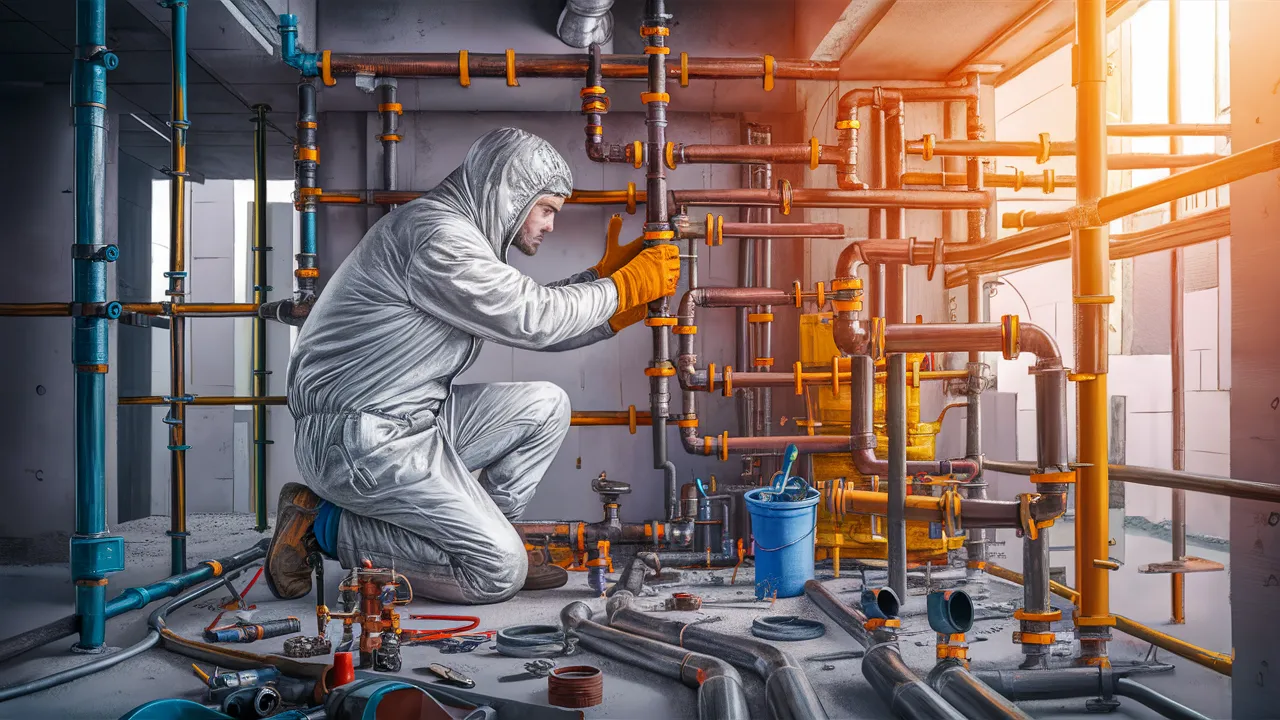
Plumbing installation is a fundamental aspect of any residential or commercial building, ensuring the efficient flow of water for daily activities such as cooking, cleaning, and sanitation. A properly installed plumbing system supports not only convenience but also health, safety, and long-term structural integrity. Whether constructing a new property or upgrading an existing one, understanding the principles of plumbing installation is essential for achieving reliable performance and avoiding costly issues.
Modern plumbing systems are complex networks that require careful planning, precise execution, and adherence to safety standards. From water supply lines to drainage systems, every component must work in harmony to deliver consistent results. By exploring the full scope of plumbing installation, we gain valuable insights into how these systems function and how they can be optimized for efficiency and durability.
Understanding Plumbing Installation Systems
At its core, plumbing installation involves the design and setup of interconnected systems that manage water supply and waste removal. These systems are typically divided into two main categories: water supply systems and drainage systems.
The water supply system delivers clean water into the building through a network of pipes, valves, and fixtures. This system must maintain consistent pressure and ensure safe distribution to all areas. On the other hand, the drainage system removes wastewater and directs it away from the property, preventing contamination and maintaining hygiene.
A well-designed plumbing system also includes ventilation components that regulate air pressure within pipes, ensuring smooth water flow and preventing blockages.
Planning a Plumbing Installation Project
Effective planning is the foundation of successful plumbing installation. Before any physical work begins, it is essential to create a detailed layout that outlines the placement of pipes, fixtures, and connections.
Key Planning Considerations:
- Building layout and design
- Water pressure requirements
- Local building codes and regulations
- Material selection and durability
- Future maintenance accessibility
Careful planning minimizes errors, reduces costs, and ensures that the system meets both functional and regulatory requirements.
Essential Tools and Materials
A successful plumbing installation relies on the use of high-quality tools and materials. The choice of materials directly impacts the system’s longevity and performance.
Common Plumbing Materials:
- PVC pipes for drainage systems
- Copper pipes for water supply lines
- PEX tubing for flexible installations
- Valves and fittings for controlling flow
Essential Tools:
- Pipe cutters
- Wrenches
- Plungers
- Measuring tools
- Sealants and adhesives
Using the right combination of tools and materials ensures precise installation and reduces the risk of leaks or failures.
Step-by-Step Plumbing Installation Process
1. System Design and Layout
The process begins with designing the system and mapping out pipe routes, fixture locations, and connection points.
2. Installing Water Supply Lines
Pipes are installed to deliver clean water to various fixtures, ensuring proper pressure and flow.
3. Setting Up Drainage Systems
Drain pipes are positioned to carry wastewater away efficiently, using gravity to maintain flow.
4. Installing Fixtures and Appliances
Sinks, toilets, showers, and other fixtures are connected to the plumbing system.
5. Testing and Inspection
The entire system is tested for leaks, pressure consistency, and functionality before final approval.
Common Challenges in Plumbing Installation
Even with careful planning, plumbing installation can present several challenges that require attention and expertise.
Leakage Issues
Improper sealing or faulty connections can lead to leaks, causing water damage and increased costs.
Low Water Pressure
Incorrect pipe sizing or blockages can result in insufficient water flow.
Clogged Drains
Poor drainage design can lead to frequent blockages and maintenance issues.
Code Compliance Problems
Failure to adhere to local regulations can result in legal complications and costly revisions.
Benefits of Professional Plumbing Installation
Hiring experienced professionals for plumbing installation offers numerous advantages that ensure long-term reliability and efficiency.
- Accurate system design and execution
- Compliance with safety and building codes
- Reduced risk of errors and future repairs
- Access to advanced tools and expertise
Professional installation not only saves time but also provides peace of mind by ensuring that the system operates smoothly.
Cost Factors in Plumbing Installation
The cost of plumbing installation varies depending on several factors, including:
- Size and complexity of the project
- Type of materials used
- Labor costs and expertise required
- Location and accessibility
Investing in quality materials and skilled labor may increase initial costs but significantly reduces long-term maintenance expenses.
Maintenance Tips for Long-Term Performance
Once the plumbing system is installed, regular maintenance is essential to ensure optimal performance.
- Inspect pipes and fixtures regularly
- Address leaks immediately
- Avoid disposing of harmful materials in drains
- Schedule professional inspections periodically
Proper maintenance extends the lifespan of the system and prevents costly repairs.
Future Trends in Plumbing Installation
The field of plumbing installation continues to evolve with advancements in technology and sustainability. Modern systems now incorporate water-efficient fixtures, smart monitoring devices, and eco-friendly materials.
These innovations not only improve efficiency but also contribute to environmental conservation. As demand for sustainable solutions grows, plumbing systems are becoming more advanced and adaptable to changing needs.
Conclusion
Plumbing installation is a critical component of any building, requiring careful planning, skilled execution, and ongoing maintenance. From system design to final inspection, every step plays a vital role in ensuring reliable water flow and efficient waste management.
By understanding the principles and processes involved, we can make informed decisions that enhance performance, reduce costs, and ensure long-term durability. Whether for residential or commercial applications, investing in quality plumbing installation is essential for creating a safe, functional, and efficient environment.
Frequently Asked Questions (FAQ)
What is plumbing installation?
It is the process of setting up systems that manage water supply and waste removal in a building.
How long does plumbing installation take?
The timeline depends on the project size and complexity, ranging from a few days to several weeks.
What materials are best for plumbing systems?
Common materials include PVC, copper, and PEX, each offering different benefits.
Can plumbing installation be done without professionals?
While small tasks may be manageable, professional installation ensures safety, compliance, and efficiency.
How much does plumbing installation cost?
Costs vary based on factors like project size, materials, and labor, making it important to plan accordingly.
