
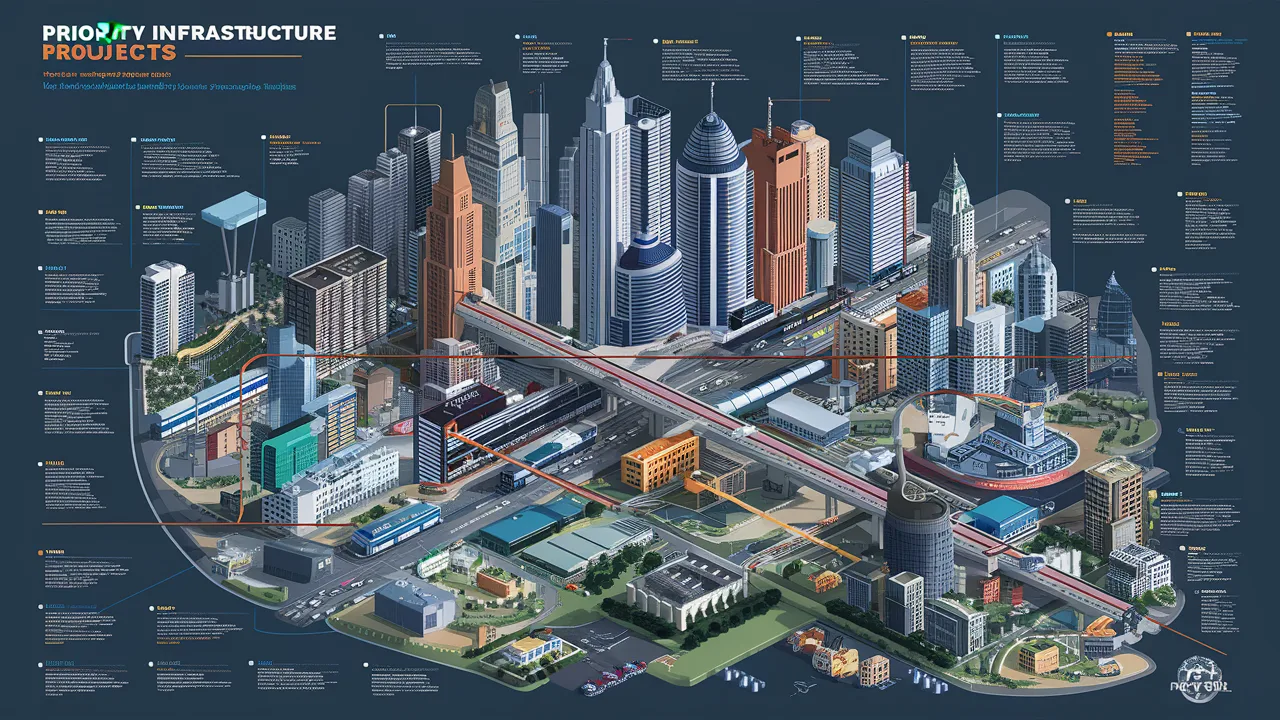
In the modern era of rapid urbanization and economic competition, governments and organizations worldwide rely on priority infrastructure plans to guide sustainable development. These plans are essential frameworks that identify, prioritize, and implement critical infrastructure projects designed to support economic growth, social progress, and environmental sustainability. From transportation networks and energy systems to digital connectivity and public services, a well-structured priority infrastructure plan serves as the backbone of a nation’s long-term development strategy. By focusing resources on the most impactful projects, these plans ensure efficiency, resilience, and inclusive growth in an increasingly interconnected world.
What Is a Priority Infrastructure Plan?
A priority infrastructure plan is a strategic document that outlines the most important infrastructure projects required to achieve specific development goals. It typically includes short-term and long-term initiatives, funding strategies, timelines, and performance metrics. These plans are often developed by governments in collaboration with private sector stakeholders, financial institutions, and international organizations.
The primary objective is to ensure that limited resources are allocated to projects that deliver the highest economic and social returns. By prioritizing critical infrastructure, governments can address pressing needs such as transportation efficiency, energy security, water management, and digital connectivity.
Key Components of a Priority Infrastructure Plan
1. Strategic Vision and Objectives
Every effective plan begins with a clear vision, outlining the desired outcomes for economic growth, sustainability, and social development. This vision guides decision-making and ensures alignment with national priorities.
2. Project Identification and Selection
Projects are selected based on criteria such as economic impact, feasibility, and urgency. This process ensures that only the most valuable initiatives are included in the plan.
3. Funding and Investment Strategies
Financing is a critical aspect, involving public funding, private investment, and public-private partnerships (PPPs). A diversified funding approach reduces risk and enhances project viability.
4. Implementation Framework
A detailed implementation strategy defines timelines, responsibilities, and performance indicators, ensuring that projects are executed efficiently.
5. Monitoring and Evaluation
Continuous assessment helps track progress, identify challenges, and make necessary adjustments to keep projects on schedule and within budget.
Importance of Priority Infrastructure Plans
Priority infrastructure plan play a vital role in shaping the future of economies and societies. Their importance can be understood through several key benefits:
Economic Growth and Job Creation
Infrastructure projects stimulate economic activity by creating employment opportunities and supporting industries such as construction, manufacturing, and technology.
Improved Quality of Life
Investments in infrastructure enhance access to transportation, healthcare, education, and utilities, improving overall living standards.
Enhanced Connectivity
Modern infrastructure facilitates efficient movement of goods, services, and people, boosting trade and regional integration.
Sustainability and Resilience
Well-planned infrastructure incorporates environmental considerations and resilience measures, ensuring long-term sustainability.
Types of Projects in a Priority Infrastructure Plan
Transportation Infrastructure
Includes roads, railways, airports, and ports, which are essential for economic connectivity and trade.
Energy Infrastructure
Focuses on power generation, transmission, and renewable energy projects, ensuring reliable and sustainable energy supply.
Water and Sanitation Systems
Ensures access to clean water and effective waste management, critical for public health.
Digital Infrastructure
Includes broadband networks and telecommunications systems, supporting the digital economy and innovation.
Social Infrastructure
Covers schools, hospitals, and public facilities, enhancing social well-being.
Challenges in Implementing Priority Infrastructure Plans
Despite their importance, implementing these plans comes with several challenges:
Funding Constraints
Securing sufficient investment can be difficult, particularly for large-scale projects.
Regulatory and Bureaucratic Hurdles
Complex approval processes can delay project execution.
Technical and Environmental Issues
Projects must address engineering challenges and environmental impacts, requiring careful planning and expertise.
Coordination Among Stakeholders
Effective collaboration between government agencies, private investors, and communities is essential for success.
Strategies for Successful Infrastructure Planning
Adopting Innovative Financing Models
Utilizing public-private partnerships and international funding sources can enhance financial sustainability.
Leveraging Technology
Advanced technologies such as data analytics and smart systems improve planning and efficiency.
Ensuring Transparency and Accountability
Clear governance structures and regular reporting build trust and reduce risks.
Engaging Communities
Involving local communities ensures that projects meet real needs and gain public support.
Future Trends in Priority Infrastructure Planning
The future of infrastructure planning is shaped by emerging trends that emphasize innovation and sustainability:
- Smart Cities Development: Integration of technology to improve urban living
- Green Infrastructure: Focus on renewable energy and eco-friendly solutions
- Digital Transformation: Expansion of high-speed internet and digital services
- Resilient Infrastructure: Designing systems that withstand climate change and natural disasters
These trends highlight the evolving nature of infrastructure planning, ensuring that future projects are efficient, sustainable, and adaptable.
Conclusion
A priority infrastructure plan is a powerful tool for driving economic growth, improving quality of life, and ensuring sustainable development. By strategically selecting and implementing key projects, governments and organizations can address critical challenges and unlock new opportunities for progress. As the world continues to evolve, the importance of well-planned infrastructure will only increase, making it essential to adopt innovative, inclusive, and forward-thinking approaches. With the right strategies and commitment, priority infrastructure plans can transform societies and create a foundation for long-term success.
Frequently Asked Questions (FAQ)
What is a priority infrastructure plan?
It is a strategic framework that identifies and prioritizes key infrastructure projects to support economic and social development.
Why are priority infrastructure plans important?
They ensure efficient use of resources, promote economic growth, and improve quality of life.
What types of projects are included?
Projects typically include transportation, energy, water, digital, and social infrastructure.
What are the main challenges?
Common challenges include funding limitations, regulatory issues, and stakeholder coordination.
How can these plans be implemented successfully?
Success depends on strong governance, innovative financing, and effective collaboration.
