
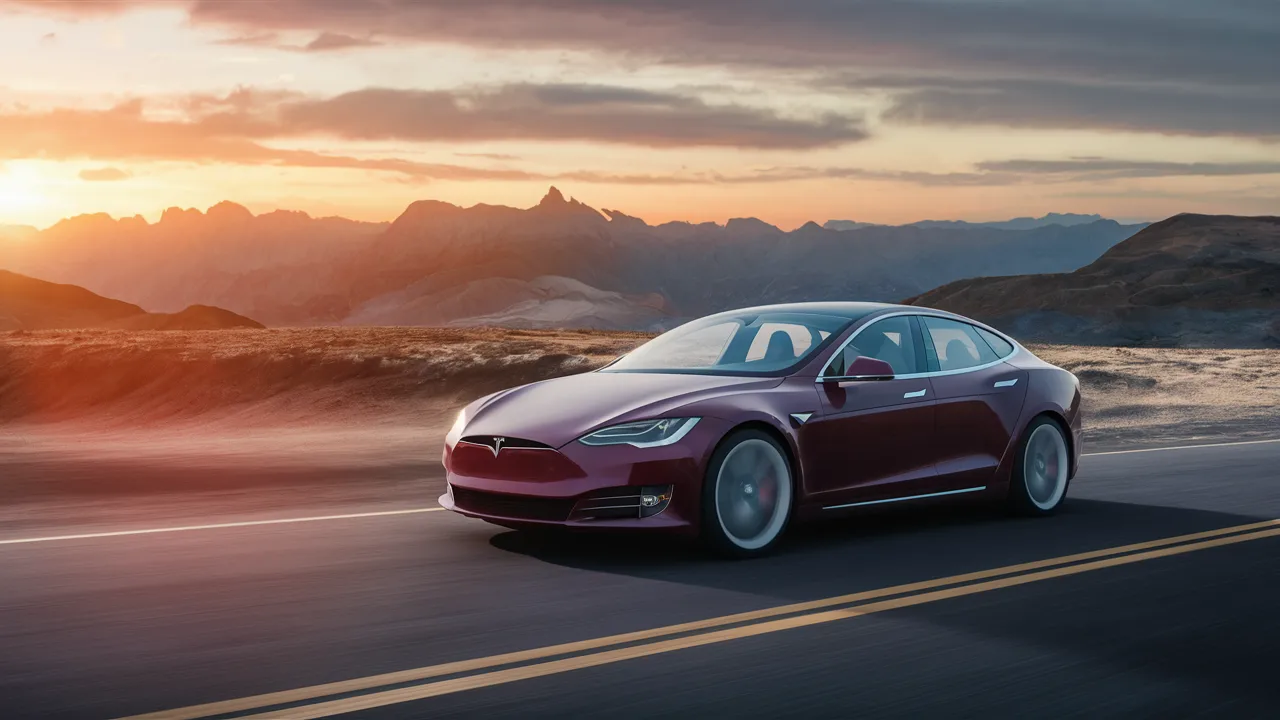
The global transition toward renewable energy has accelerated in recent years, and companies like Tesla are at the forefront of this transformation. One of the most ambitious initiatives is the Tesla China battery project, designed to expand sustainable energy solutions, support electric vehicle production, and advance renewable energy adoption worldwide. China, as the largest electric vehicle market and a major hub for battery manufacturing, plays a critical role in Tesla’s global strategy.
The Tesla China battery project represents more than just an expansion of manufacturing capacity. It embodies the integration of cutting-edge lithium-ion and next-generation battery technologies, renewable energy systems, and environmentally conscious industrial practices. By producing batteries locally, Tesla aims to streamline supply chains, reduce production costs, and accelerate the deployment of electric vehicles and energy storage systems across Asia and beyond.
This article explores the significance of Tesla’s China battery project, its impact on the renewable energy sector, the technological innovations involved, and the broader implications for sustainable transportation and energy storage.
The Strategic Importance of Tesla’s China Battery Project
Tesla China Battery Project Renewable Energy China is a global leader in electric vehicle adoption, battery production, and renewable energy investment. Establishing a major battery project in China allows Tesla to capitalize on this market while supporting its broader mission of accelerating the world’s transition to sustainable energy.
The project provides several strategic advantages:
-
Proximity to key suppliers of lithium, cobalt, and other battery materials
-
Faster production timelines due to local manufacturing
-
Cost efficiencies that reduce shipping and tariffs
-
Strengthened presence in the world’s largest EV market
By producing high-capacity batteries locally, Tesla ensures a steady supply for its electric vehicle models, including the Tesla Model 3, Tesla Model Y, and other upcoming vehicles designed for the Asian market.
Technological Innovations in Tesla Batteries
Tesla has consistently pushed the boundaries of battery technology to increase efficiency, range, and environmental performance. The China battery project integrates several key innovations:
Advanced Lithium-Ion Batteries
Tesla continues to refine lithium-ion chemistry to improve energy density and longevity. These batteries offer:
-
Longer EV ranges
-
Faster charging times
-
Improved thermal stability
By manufacturing these batteries in China, Tesla can leverage local expertise and supply chain efficiencies to produce high-quality cells at scale.
Next-Generation Energy Storage
The project also focuses on stationary energy storage solutions, including Tesla’s Powerwall and Megapack systems. These technologies store renewable energy from solar and wind sources, ensuring reliable power even when sunlight or wind availability fluctuates.
Sustainable Manufacturing Practices
Tesla is incorporating renewable energy into battery manufacturing, reducing carbon emissions, and implementing water-efficient processes. These measures align with Tesla’s broader sustainability goals and enhance the environmental benefits of battery production.
Impact on Renewable Energy in China and Globally
The Tesla China battery project is expected to significantly boost the adoption of renewable energy. Key impacts include:
Expansion of Electric Vehicles
With locally produced batteries, Tesla can accelerate the production of EVs, reducing dependence on fossil fuels and cutting greenhouse gas emissions from transportation.
Enhanced Grid Storage Capacity
Energy storage systems allow for more efficient use of renewable sources. Stored energy can be deployed during peak demand periods, improving grid stability and reducing reliance on coal or natural gas.
Support for Renewable Energy Projects
By supplying advanced batteries, Tesla facilitates the integration of solar and wind energy projects, allowing renewable energy to become a more reliable and scalable solution in China and internationally.
Economic and Industrial Implications
Tesla’s battery project also has significant economic implications:
-
Job Creation: Establishing a large-scale manufacturing facility in China creates thousands of jobs in engineering, production, and logistics.
-
Supply Chain Development: The project strengthens local suppliers of battery materials, promoting industrial growth.
-
Global Competitiveness: Tesla’s expansion reinforces China’s role in global battery manufacturing while enhancing Tesla’s ability to compete with other EV makers like BYD, NIO, and XPeng.
Challenges and Considerations
While the project is ambitious, Tesla faces several challenges:
-
Raw Material Availability: Lithium, nickel, and cobalt are critical for battery production, and global supply fluctuations can affect costs.
-
Technological Competition: Other EV and battery manufacturers are advancing rapidly, requiring Tesla to continue innovating.
-
Regulatory Environment: Manufacturing and renewable energy projects must comply with strict environmental regulations in China.
-
Market Demand Variability: EV adoption rates and energy storage needs may fluctuate due to policy changes or economic shifts.
Despite these challenges, Tesla’s experience and investment in research and development position the company to navigate obstacles successfully.
Future Prospects and Global Implications
Tesla’s China battery project is more than a regional initiative—it is a model for the future of sustainable energy integration. As battery technology advances, Tesla’s innovations may lead to:
-
EVs with longer ranges and faster charging times
-
More efficient renewable energy grids
-
Increased adoption of electric transportation in emerging markets
-
Lower environmental impact through sustainable manufacturing
This project exemplifies how industrial-scale battery production can support global energy transition efforts and accelerate the shift toward carbon neutrality.
Conclusion
The Tesla China Battery Project Renewable Energy is a pivotal initiative in advancing both renewable energy and electric vehicle technology. By producing batteries locally, integrating advanced energy storage solutions, and prioritizing sustainable manufacturing practices, Tesla strengthens its position as a global leader in clean energy innovation.
The project not only enhances the production of electric vehicles in China but also supports renewable energy adoption, grid stability, and industrial development. As Tesla continues to innovate, the China battery project will serve as a benchmark for global efforts to accelerate the transition to sustainable energy, proving that large-scale renewable energy integration and clean transportation solutions are achievable on a global scale.
Frequently Asked Questions (FAQ)
What is the Tesla China battery project?
The project is a large-scale initiative to manufacture advanced batteries in China, supporting EV production and renewable energy storage.
How does the project support renewable energy?
By producing batteries for electric vehicles and energy storage systems, Tesla enables greater adoption of solar and wind power and ensures reliable energy supply.
Which Tesla products benefit from the China battery project?
Products include the Model 3, Model Y, Powerwall, and Megapack, all of which rely on high-performance batteries.
Why is China important for Tesla’s battery production?
China is the largest EV market, a hub for battery manufacturing, and home to critical raw materials, making it a strategic location for Tesla.
What are the environmental benefits of this project?
The project reduces carbon emissions, promotes renewable energy integration, and implements sustainable manufacturing practices to minimize environmental impact.
