
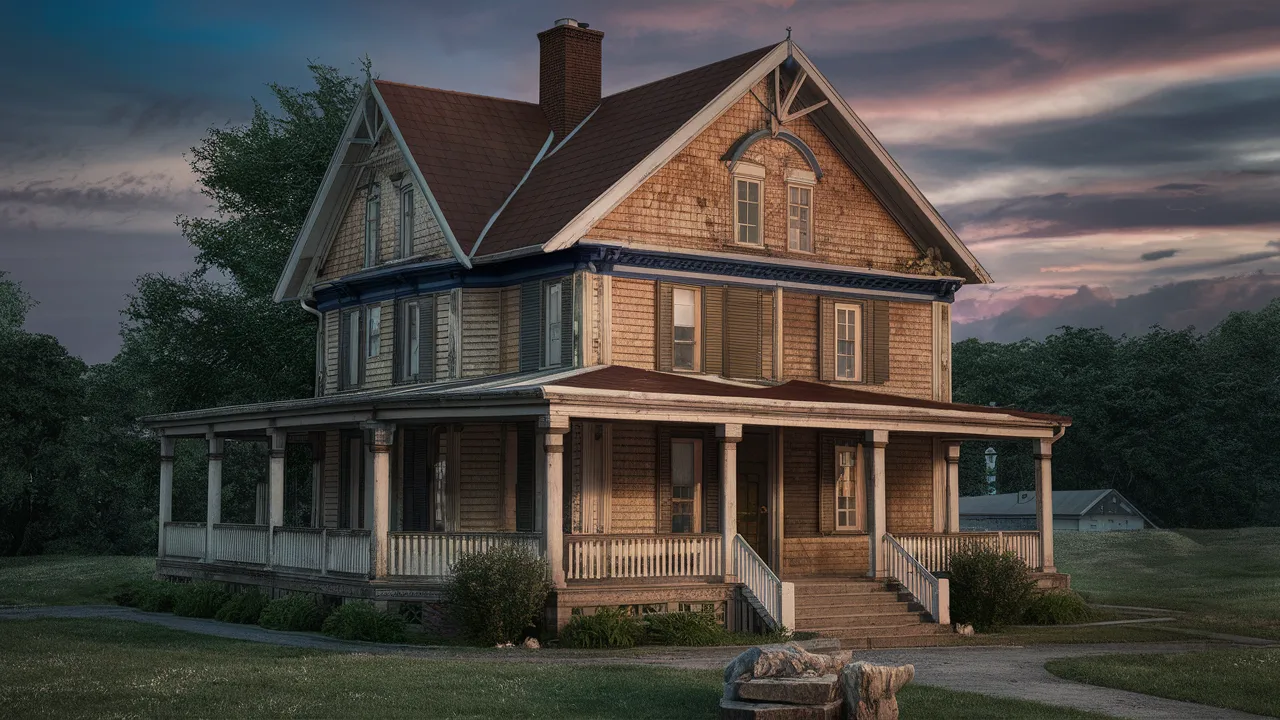
The news surrounding the closure of Mac’s Old House Closure has sparked widespread discussion among loyal patrons and the broader dining community. Known for its warm atmosphere, traditional cuisine, and decades-long presence, the restaurant held a special place in the hearts of many. Its closure represents not only the end of a business but also the conclusion of a cherished chapter in local dining history.
We explore the history, reasons behind the closure, community reaction, and what the future may hold, providing a comprehensive look into why Mac’s Old House became so significant and why its closing has left such a lasting impact.
The History of Mac’s Old House Closure
Mac’s Old House Closure was more than just a restaurant; it was a cultural landmark that embodied the essence of traditional dining. Established decades ago, it quickly gained a reputation for its family-style meals, hearty portions, and welcoming environment.
Over the years, the restaurant built a loyal customer base that spanned generations. Families celebrated milestones, friends gathered for regular meals, and visitors experienced a sense of nostalgia and authenticity that is increasingly rare in modern dining establishments.
The longevity of Mac’s Old House can be attributed to its commitment to consistency and quality, maintaining its original charm while adapting just enough to stay relevant in a changing industry.
What Led to the Closure of Mac’s Old House
The closure of a long-standing restaurant like Mac’s Old House Closure rarely stems from a single factor. Instead, it is typically the result of multiple challenges converging over time.
One of the primary reasons is the changing economic landscape, which has made it increasingly difficult for traditional establishments to compete. Rising operational costs, including rent, ingredients, and labor, have placed significant pressure on restaurants that rely on classic business models.
Additionally, shifting consumer preferences have played a role. Modern diners often seek diverse menus, fast service, and digital convenience, which can be difficult for legacy establishments to implement without compromising their identity.
External factors such as economic downturns and industry-wide disruptions have further contributed to the challenges faced by Mac’s Old House, ultimately leading to its closure.
Community Reaction to the Closure
The response to the closure has been overwhelmingly emotional, highlighting the deep connection between the restaurant and its patrons. For many, Mac’s Old House was not just a place to eat but a symbol of community and shared experiences.
Customers have expressed their sentiments through social media, sharing memories and reflecting on the role the restaurant played in their lives. This outpouring of support underscores the importance of local businesses in shaping community identity.
We see that the closure has also sparked broader conversations about the preservation of traditional establishments in the face of rapid modernization.
The Unique Appeal of Mac’s Old House
What set Mac’s Old House apart was its ability to offer a distinct dining experience that went beyond food. The restaurant’s atmosphere, characterized by its classic decor and communal dining style, created a sense of belonging and familiarity.
Its menu, rooted in tradition, appealed to those seeking comfort and authenticity. This combination of factors made it a destination for both regular patrons and newcomers looking to experience something unique.
The restaurant’s enduring popularity demonstrates the value of consistency and emotional connection in building a successful brand.
Impact on the Local Dining Scene
The closure of Mac’s Old House leaves a noticeable gap in the local dining landscape. As one of the area’s most recognizable establishments, its absence is felt not only by customers but also by other businesses.
We recognize that such closures can lead to a shift in the local economy, influencing everything from foot traffic to tourism. At the same time, they create opportunities for new ventures to emerge, potentially bringing fresh ideas and concepts to the community.
However, replacing the history and emotional significance of a place like Mac’s Old House is a challenge that cannot be easily overcome.
What the Future Holds
While the closure marks the end of an era, it also opens the door to new possibilities. There is ongoing speculation about what may happen to the location and whether a new establishment will take its place.
For loyal patrons, the hope remains that the spirit of Mac’s Old House will live on, whether through revivals, tributes, or new businesses inspired by its legacy.
We believe that the story of Mac’s Old House will continue to resonate, serving as a reminder of the importance of community, tradition, and shared experiences in the world of dining.
Conclusion
The closure of Mac’s Old House Closure represents more than the loss of a restaurant; it signifies the end of a beloved institution that brought people together for generations. Its history, charm, and impact on the community ensure that it will not be forgotten.
We see this moment as both a reflection on the past and a consideration of the future. While the restaurant may no longer operate, its legacy remains a powerful testament to the enduring value of authentic experiences and meaningful connections.
Frequently Asked Questions (FAQ)
Why did Mac’s Old House close?
The closure was influenced by rising operational costs, changing consumer preferences, and broader economic challenges.
Where was Mac’s Old House located?
It was located in Antioch, California, and served as a well-known local dining destination.
What made Mac’s Old House special?
Its family-style dining, traditional menu, and welcoming atmosphere set it apart from modern restaurants.
Will Mac’s Old House reopen?
There is no confirmed information about reopening, but the possibility remains a topic of discussion among patrons.
What is the legacy of Mac’s Old House?
Its legacy lies in its role as a community hub and symbol of traditional dining excellence.
