
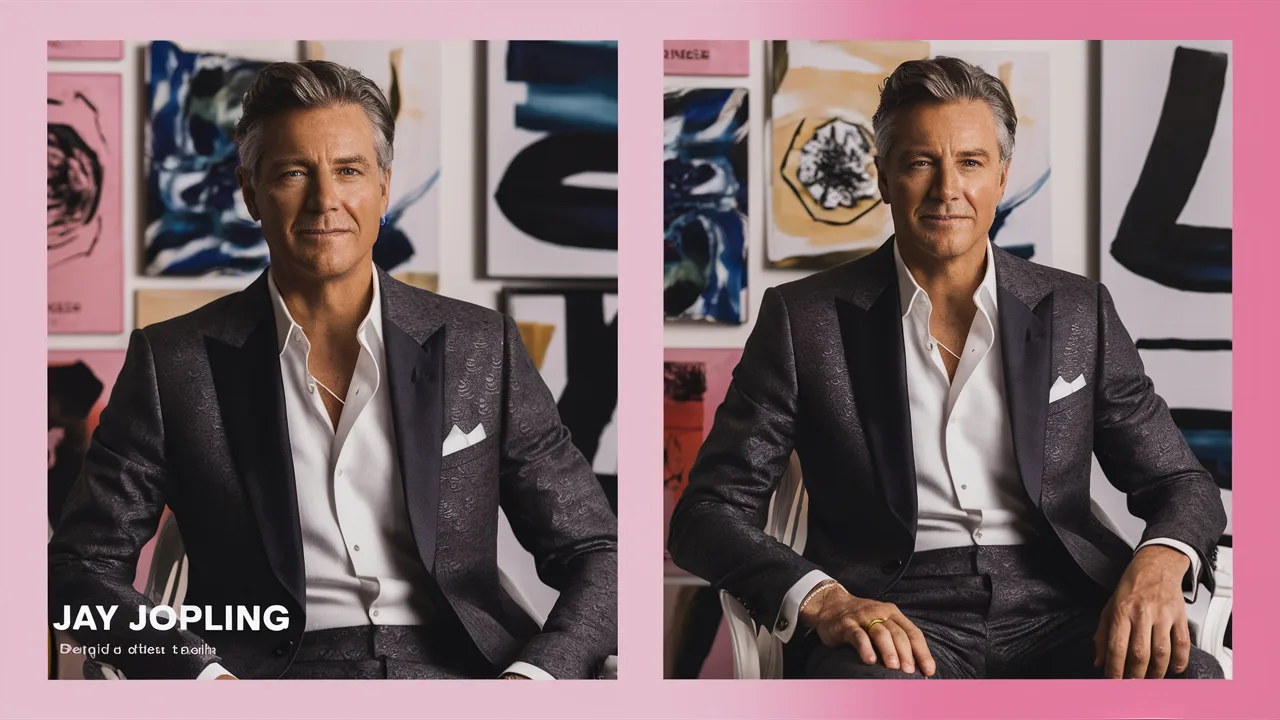
Few figures have shaped the modern art landscape as profoundly as Jay Jopling. As the founder of White Cube, Jopling redefined how contemporary art is exhibited, marketed, and sold on a global scale. Through bold curatorial decisions, strategic artist representation, and a keen understanding of cultural momentum, he transformed White Cube from a modest London gallery into one of the most influential contemporary art institutions in the world.
The contemporary art market thrives on innovation, prestige, and calculated risk-taking. Jay Jopling embodies these qualities. His career represents not only commercial success but also cultural stewardship, as he played a pivotal role in elevating British artists to international prominence during a transformative period in art history.
Early Career and Foundations in the Art World Jay Jopling
Jay Jopling journey into the art industry began with a strong academic foundation and exposure to London’s evolving creative scene. In the late 1980s and early 1990s, the British art market was experiencing renewed energy fueled by a generation of provocative and experimental artists. Jopling recognized this momentum early, positioning himself at the center of a movement that would later define contemporary British art.
His understanding of both artistic vision and commercial strategy allowed him to bridge two traditionally separate worlds: creative expression and high-value art transactions. By combining aesthetic intuition with business acumen, Jopling established a model that would later become a benchmark for contemporary gallery operations.
The Birth and Growth of White Cube Jay Jopling
Founded in 1993, White Cube began as a small, minimalist exhibition space in London. The gallery’s name reflected its architectural purity—a neutral environment that placed complete focus on the artwork. This concept resonated strongly with artists seeking autonomy and collectors searching for cutting-edge expression.
Under Jopling’s leadership, White Cube expanded strategically. The gallery opened larger spaces in London’s Mason’s Yard and Bermondsey districts, eventually extending its reach internationally to Hong Kong and other global art capitals. Each expansion was meticulously timed to align with shifts in market demand and collector demographics.
White Cube became synonymous with ambition, high-profile exhibitions, and museum-quality programming. By curating bold installations and representing groundbreaking artists, Jopling ensured that White Cube was not merely a commercial gallery but a cultural landmark.
Championing the Young British Artists Movement Jay Jopling
One of Jay Jopling’s most defining contributions was his association with the Young British Artists (YBAs), a group that included figures such as Damien Hirst, Tracey Emin, and Sarah Lucas. During the 1990s, these artists challenged traditional aesthetics, embracing provocative materials and conceptual approaches.
Jopling’s early support for the YBAs positioned White Cube at the forefront of a cultural revolution. He recognized that controversy and innovation could coexist with commercial success. Exhibitions were not designed to be safe; they were intended to spark debate, redefine boundaries, and capture global attention.
This bold approach paid dividends. British contemporary art achieved unprecedented visibility, and White Cube became a key driver in transforming London into a global art capital.
Strategic Vision in the Global Art Market Jay Jopling
The international art market demands constant adaptation. Jay Jopling demonstrated foresight by expanding White Cube’s presence into Asia, acknowledging the growing influence of collectors in Hong Kong and mainland China. This move aligned with broader shifts in global wealth distribution and art investment trends.
White Cube’s Hong Kong space reinforced its status as an international powerhouse. By cultivating relationships with collectors across Europe, North America, and Asia, Jopling ensured the gallery’s resilience in fluctuating market conditions.
Moreover, his programming emphasized museum-level exhibitions that elevated the gallery’s prestige. Rather than focusing solely on sales, Jopling positioned White Cube as a cultural institution capable of influencing artistic discourse worldwide.
Jay Jopling’s Business Model and Market Influence
Jay Jopling’s success stems from a hybrid model that merges curatorial excellence with financial intelligence. The contemporary art market operates within a delicate balance of exclusivity and accessibility. White Cube maintains this balance by representing a select roster of artists while engaging with international art fairs such as Art Basel and Frieze.
Participation in prestigious art fairs amplifies visibility and strengthens market positioning. Through these platforms, Jopling solidified White Cube’s reputation as a gallery synonymous with quality and innovation.
Collectors trust White Cube not only for investment-grade artwork but also for cultural relevance. Jopling’s ability to forecast trends and identify emerging talent ensures that the gallery remains ahead of industry shifts.
Cultural Legacy and Influence on Emerging Artists Jay Jopling
Beyond commercial success, Jay Jopling’s legacy lies in his commitment to artistic experimentation. By providing resources, international exposure, and curatorial support, he has enabled numerous artists to achieve global recognition.
His influence extends beyond British art. White Cube’s programming includes international artists across diverse mediums, from sculpture and painting to digital installations and performance art. This diversity strengthens the gallery’s global identity and reinforces Jopling’s role as a cultural innovator.
Emerging artists benefit from White Cube’s infrastructure, gaining access to collectors, institutions, and museum collaborations. Jopling’s emphasis on long-term artist relationships fosters sustainable career development rather than short-term commercial gains.
Challenges and Market Evolution Jay Jopling
The contemporary art market is not immune to economic cycles and shifting collector behaviors. Jay Jopling has navigated market downturns, regulatory changes, and evolving consumer preferences with strategic precision.
Digital transformation presents new opportunities and challenges. Online viewing rooms, virtual exhibitions, and blockchain authentication are redefining how art is presented and sold. White Cube’s adaptation to digital engagement demonstrates Jopling’s willingness to innovate while preserving curatorial integrity.
By maintaining flexibility and strategic foresight, he ensures the gallery’s continued relevance in an increasingly competitive global environment.
Conclusion: Jay Jopling Enduring Impact on Contemporary Art
Jay Jopling career exemplifies vision, resilience, and cultural leadership. From founding White Cube in London to establishing a global gallery network, he has shaped the trajectory of contemporary art for over three decades. His support of groundbreaking artists, strategic expansion into international markets, and dedication to curatorial excellence have positioned him as one of the most influential art dealers of his generation.
In a market defined by constant evolution, Jopling’s ability to anticipate trends while preserving artistic integrity distinguishes him as a transformative figure. His legacy is not confined to gallery walls; it is embedded in the broader narrative of contemporary art’s global ascent.
Frequently Asked Questions (FAQ)
1. Who is Jay Jopling?
Jay Jopling is a British art dealer and founder of White Cube, one of the world’s leading contemporary art galleries.
2. What is White Cube known for?
White Cube is known for representing influential contemporary artists and hosting museum-quality exhibitions.
3. How did Jay Jopling influence British art?
He played a significant role in promoting the Young British Artists movement, helping elevate British contemporary art internationally.
4. Where does White Cube operate?
White Cube operates major gallery spaces in London and Hong Kong, serving a global collector base.
5. Why is Jay Jopling important in the art market?
His strategic vision, artist representation, and international expansion have significantly shaped the contemporary art industry.
